
Learn more about water jet cutting
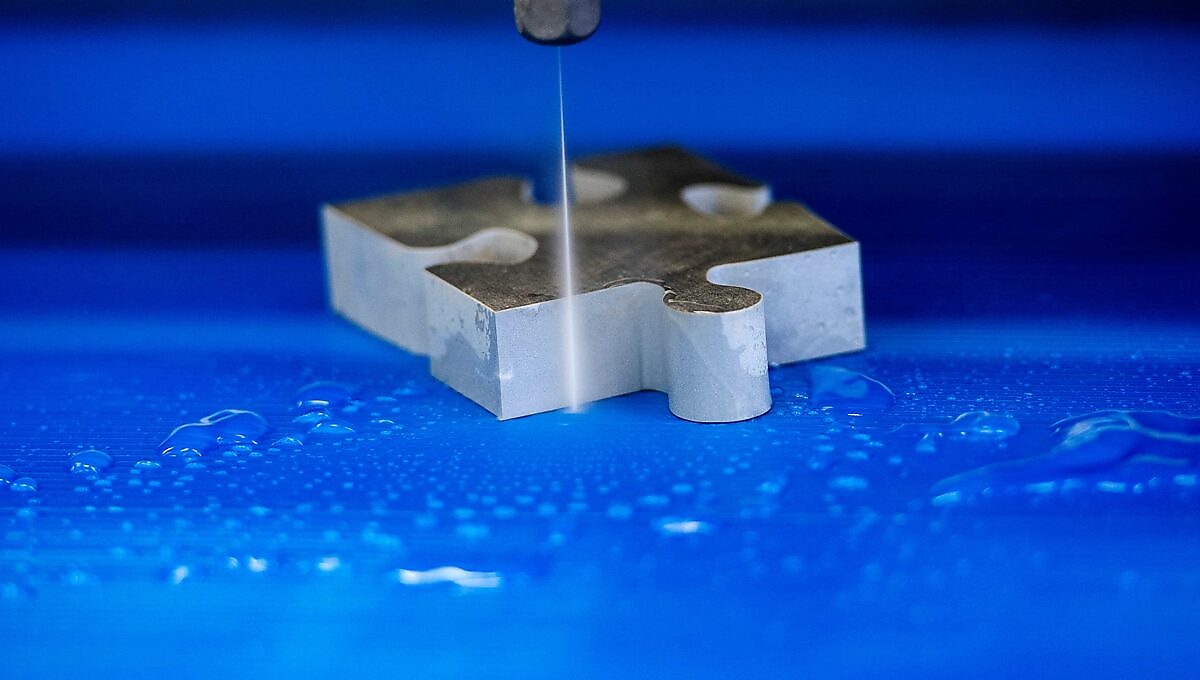
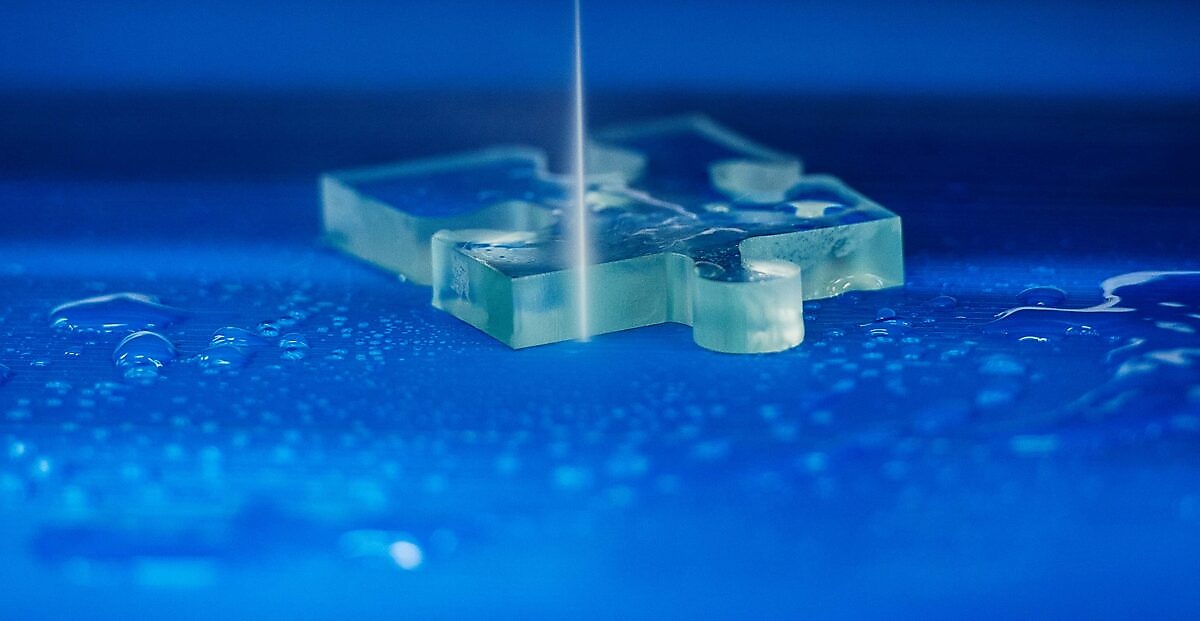
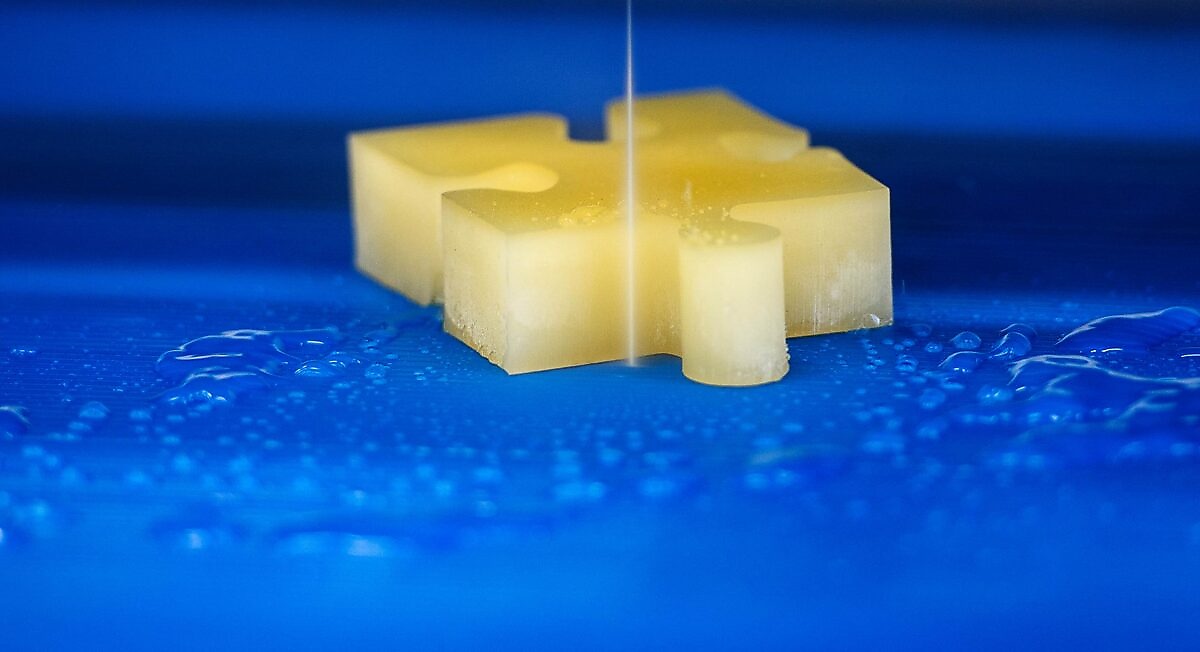
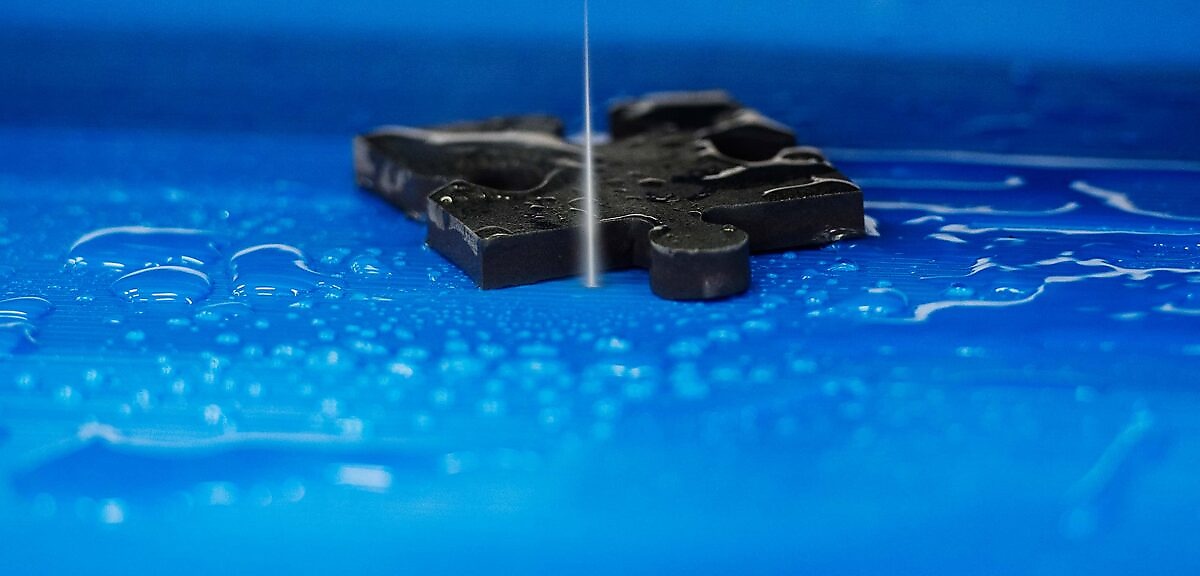
Waterjet cutting is a non-thermal cutting method using only natural sand and water to cut almost any material. In theory a simple process but in practice an advanced cutting technology. The brittle cutting process give a smooth cutting surface with no slag or heat affected zones, and there is less need for post processing.
All materials can be cut by the one and same waterjet machine, from soft rubber and plastics to the hardest metals and ceramics. A CNC operated waterjet machine ensures identical parts independent of volumes and with a minimum of waste material. The versatility and ease of operation makes waterjet technology compare to no other machine tool process in the market.
Why Waterjet?
When calculating the overall production cost, waterjet has repeatedly come out as the most profitable cutting method compared to traditional thermal methods.
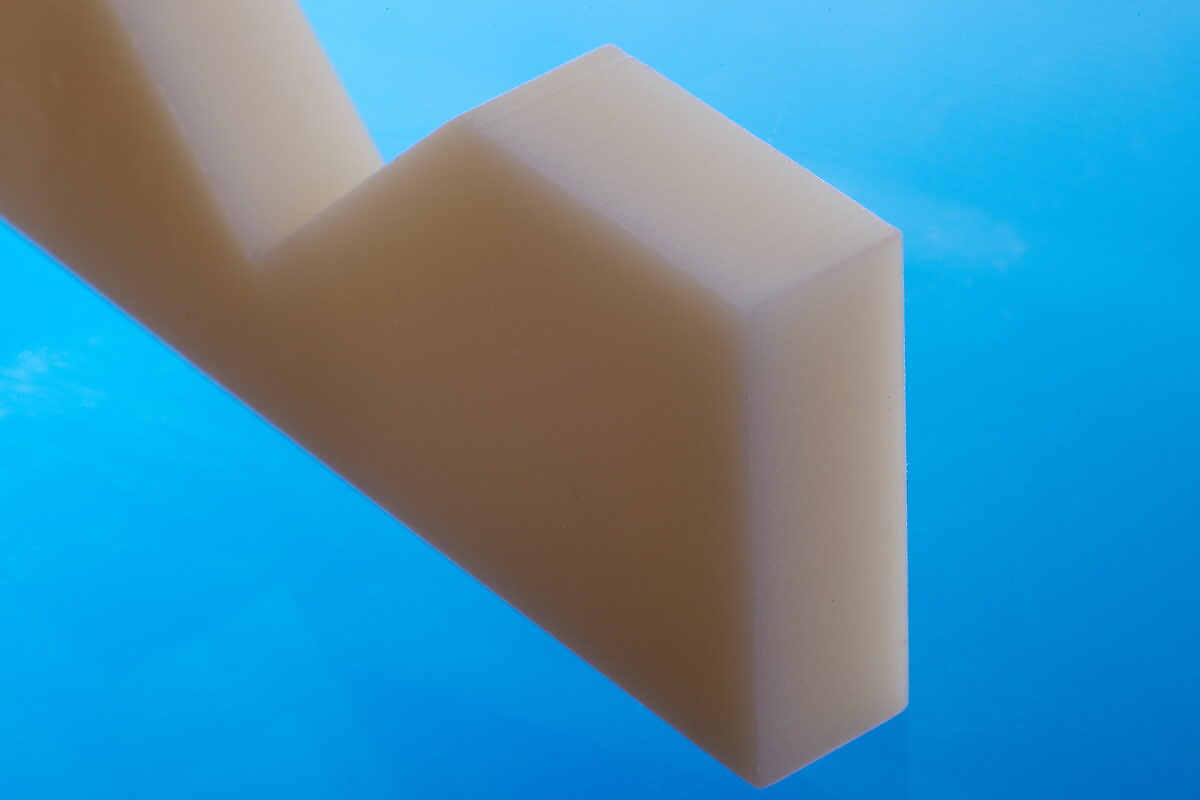
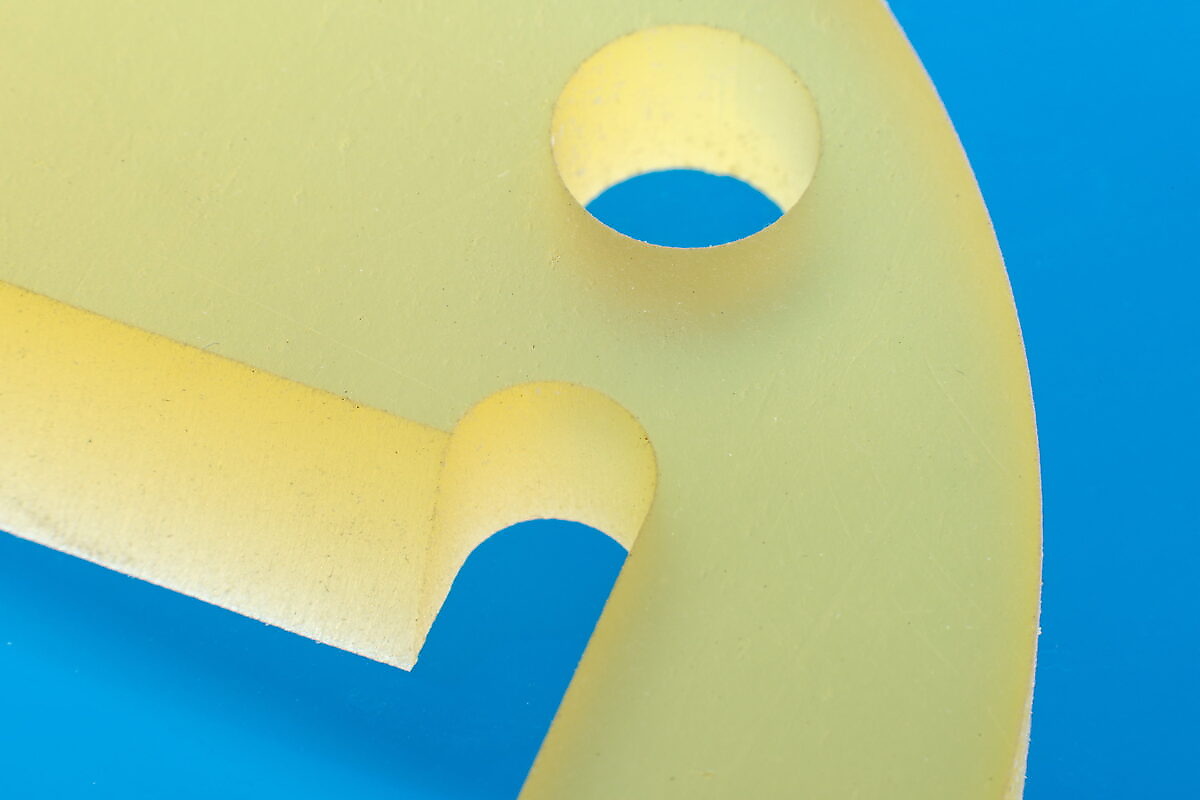
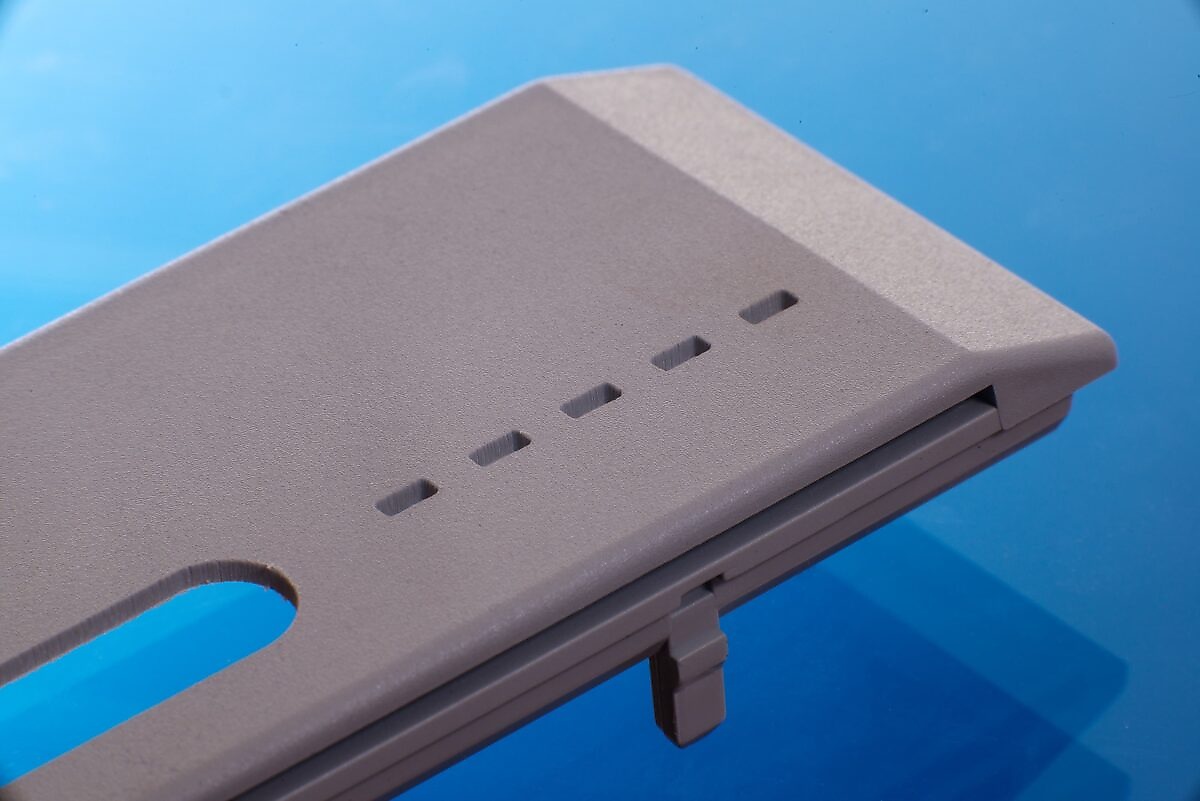
- Smooth cutting edge: With a precision of 0.1 millimeter, the surface can be made so smooth that there is no or very little need for additional processing.
- No negative heat effects: With the cold waterjet cutting method, the material will always keep its characteristics. No micro cracks stress and hardened surfaces. This also eliminate impact by dust, toxic gases and deformation by slag and dross.
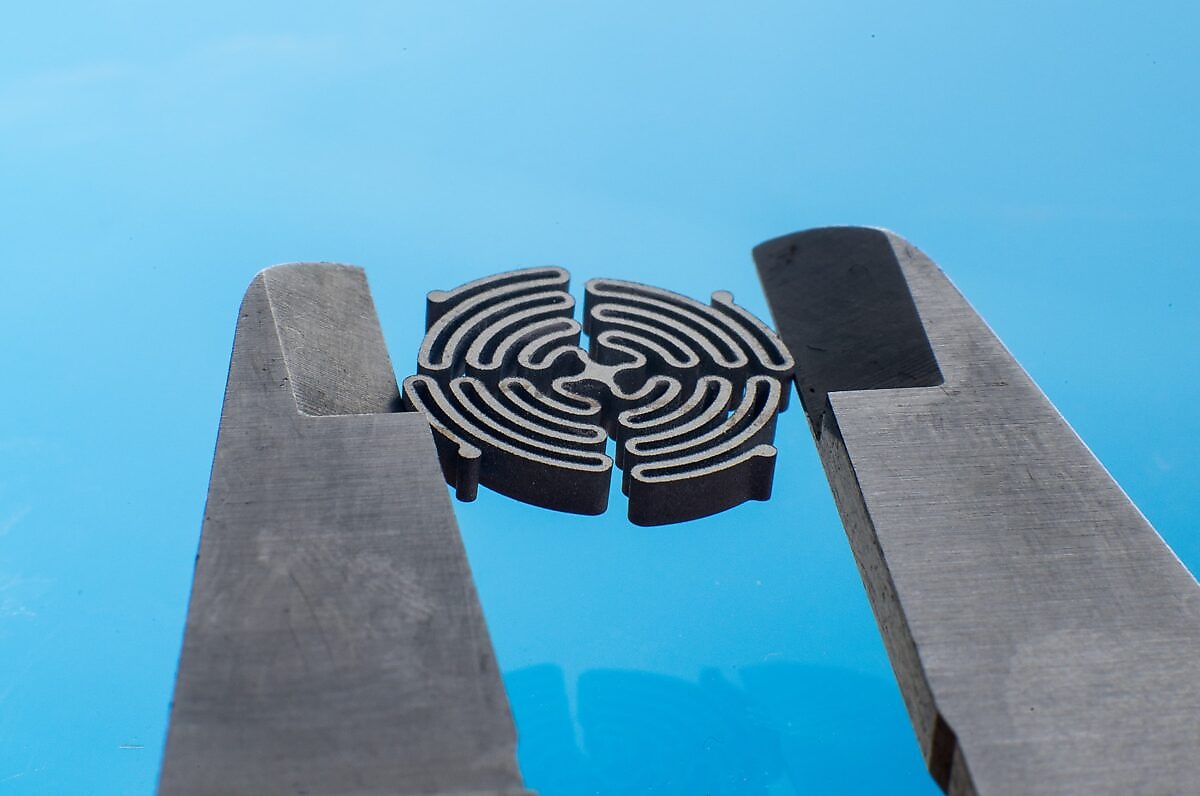
- High-precision cuts: A pure waterhet beam makes thin incisions of 0.1-0.25 mm. An abrasive waterjet makes 0.4-1 mm wide cuts, in up to 300 mm thick solids at a tolerance of 0.025 mm. The FAWJ cutting head on Micro cutting gives a 0.2 mm incision at the extreme tolerance of 0.01 mm!
- Simple and versatile: You can cut different materials and shapes – from prototypes to serail production – with simple programming, with the same cutting tool and with very short setup time.
How does Waterjet Cutting Work?
Tap Water Turns Into Jet Beam
It all starts with ordinary tap water. It is filtered and pressurized in an Ultra High-Pressure pump, then delivered via high-pressure tubes to the waterjet cutting head. A small diameter orifice will concentrate the water beam, and the pressure turns into velocity. The supersonic water beam cuts all kinds of soft material like plastic, foam, rubber, and wood. This process is called Pure Waterjet cutting (PWJ).
Abrasive Adds Power
To increase the cutting power, grains of an abrasive is added to the stream and the water beam turns into high-speed liquid sandpaper cutting all kinds of hard materials like stone, glass, and composites. This process is called Abrasice Waterjet cutting (AWJ). For micro components and really narrow cuts there is the Fine Abrasive Waterjet process (FAWJ), based on the same principles as AJW.
When does Waterjet fit?
- Complete laser and plasma: The main reason for the laser and plasma industries to invest in waterjet systems is the fact that they can cut a comprehensive range of materials and thicknesses without thermal impact on the material.
- Prepare before milling: Waterjet cutting is ideal for preparation of parts before milling. Cut two-dimensional solids quick and easy – and you will save both processing time and tool wear.
- Streamline EDM: When the EDM tolerances are not needed, waterjet cutting is a cost-efficient complementary cutting method. The waterjets also cut non-conducting materials like composites and glass.
- Profitable as is: Waterjet cutting can either be a substitute for or a complement to your present cutting solution. It all depends on your needs and requirements. Let us assist you in making the calculus and find the best solution for you.
Metals
A cold cutting method offering unique benefits
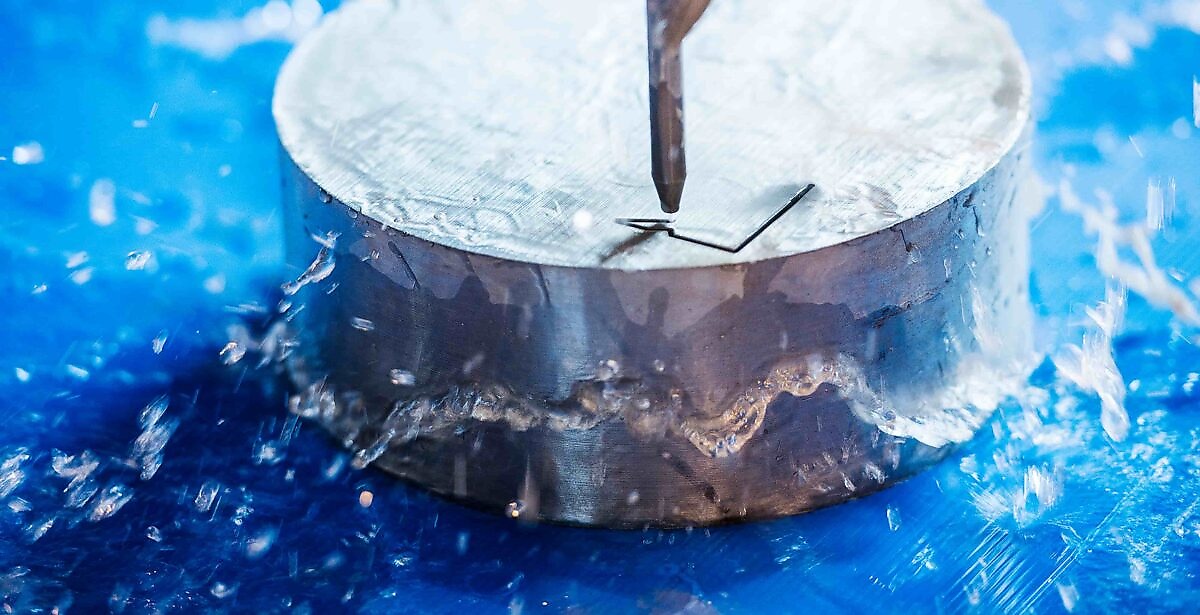
Metal cutting by the Abrasive Water Jet cutting process (AWJ) is a major area of application for water jet technology. Metals such as steel, stainless steel, Hastelloy, Hardox, Weldox, Inconel, titanium, aluminum or nonferrous metals. Finely grained sand combined with the ultra-high-pressure water beam creates a powerful cutting tool, cutting up to 300 mm thick metal into any shape. This is a cold cutting process with fine cuts and very little additional work needed.
A water jet system offers outstanding flexibility and is easily adjusted for each specific cutting requirement. Use one or several cutting heads. Use 2D or 3D cutting and add some functional tools for added efficiency.
Composite materials
Less tool wear and almost any shape
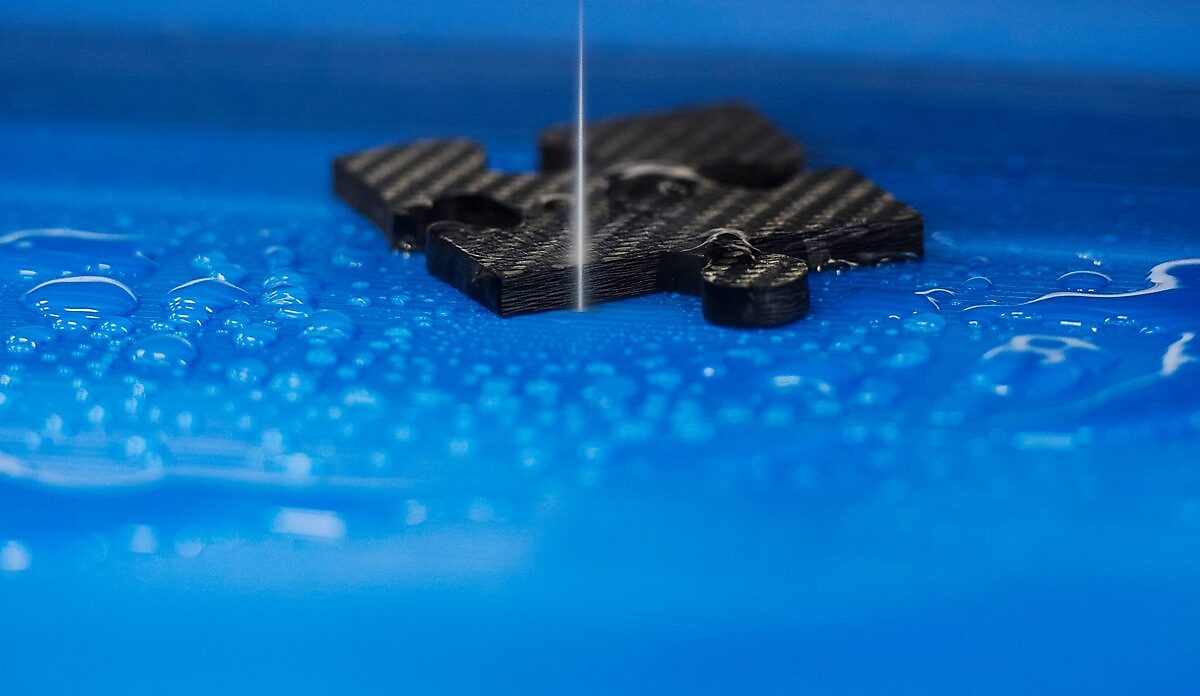
There is an increased use for composite materials in many industries, yet there are few machine tools that are really suitable for processing these materials. One major challenge is tool wear. Usually, water jet cutting implies no extra tool wear and also offers the option to cut almost any shape. This is why this technology is widely considered the best alternative for composite processing.
The term composite comprises a wide range of materials with different characteristics: Kevlar, carbon fibre, glass fibre, non-woven materials, composite resins, etc. Therefore, what cutting process will turn out most efficient depends on the the material – Abrasive Water Jet cutting (AWJ), Fine Abrasive Water Jet cutting (FAWJ) or Pure Water Jet cutting (PWJ).
Glass
Cut any shape without cracking
Standard glass, composite glass, armored glass or Plexiglas®? For years, glass has been a frequent application area for water jet cutting. Diamonds may cut straight lines, but when it comes to curved shapes, water jet is a natural priority.
Glass is sensitive to cracking and requires careful handling. Use special cutting programs with low-pressure piercing and cutting tables adapted for smooth handling. In order to avoid chipped cutting edges, it is also important to use quality abrasives.
Let us find the best cutting solution for you.
Stone and Tiles
For architectural design and artistic work
Waterjet solutions cutting stone, tiles and other ceramic materials into different shapes are used all over the world. Applications spans from comprehensive architectural structures and specific interior design elements to unique installations of public art.
Using a waterjet machine for free-cutting, you can easily transform most stone materials into almost any shape. The only limits will be set by your own creativity.
Let us find the best cutting solution for you.
Rubber and plastics
Efficient production from small to large series
When cutting soft materials like rubber, plastics and foam, there is no need for abrasives. For soft materials, the pure water jet cutting process (PWJ) is a priority alternative. PWJ cuts rapidly with very narrow cuts of 0.1 mm
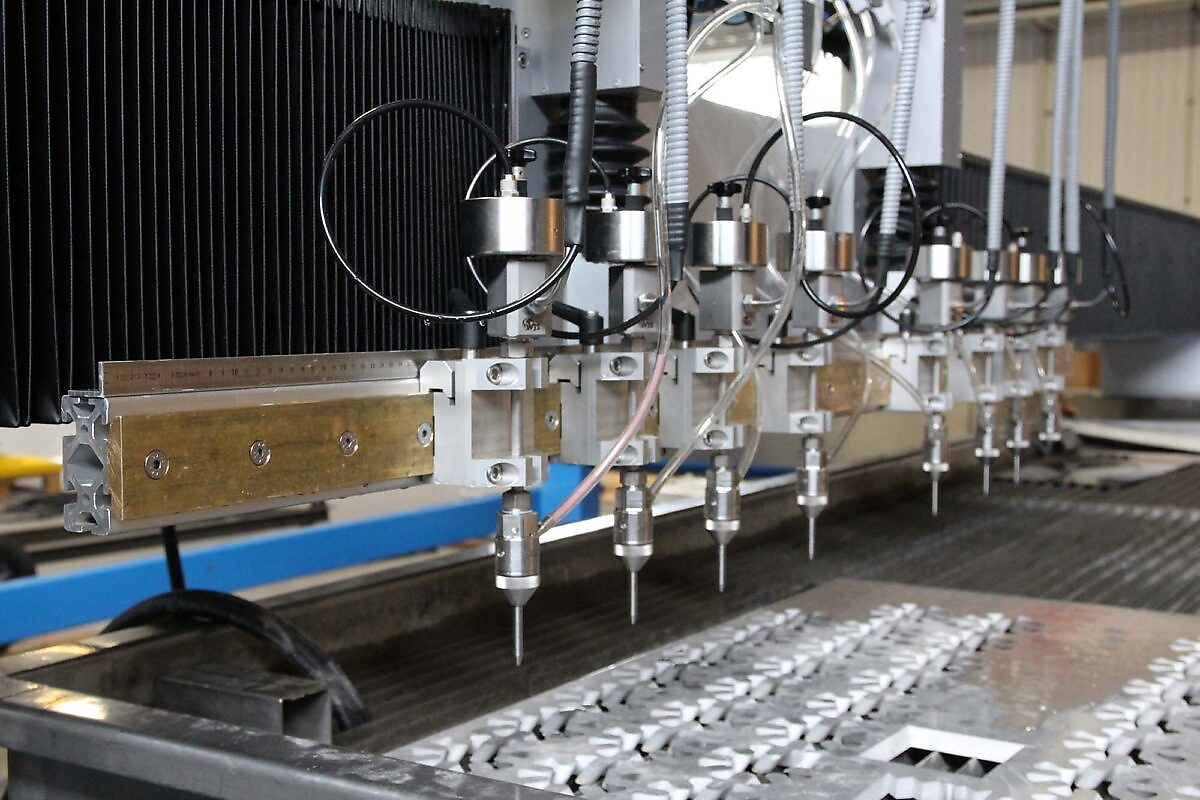
When it comes to soft materials, the waterjet technology brings benefits for both small- and large-scale production. There is no need for punching tools. With simple CNC programming you can produce one single part quickly – and with a beam you can mount a large number of parallel cutting heads, thus cutting very large volumes simultaneously.
Wood
Fabricated wood materials, e.g. veneer and plywood
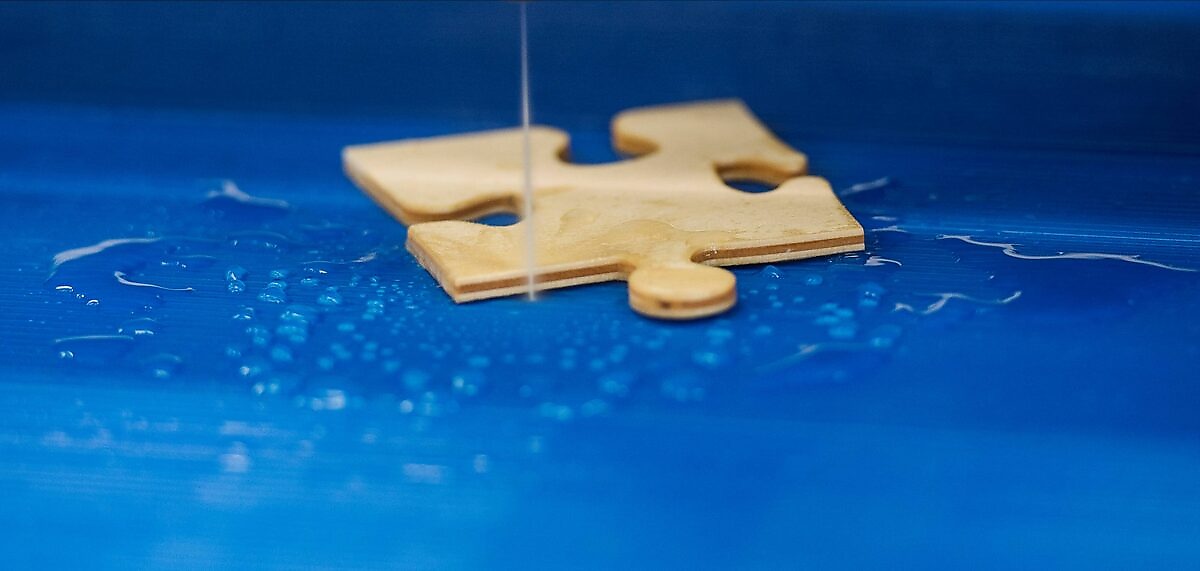
Processing of wood has become something of an established niche application for the water jet technology, and there are some application areas of specific interest. The wood materials most frequently used today are fabricated ones, like veneer and plywood. Fast setup time, narrow cuts, no splintering and easy free-form cutting are some of the documented benefits when applying water jet cutting for these materials.
Water jet technology has been used e.g. for the production of wooden jigsaw puzzles, table tennis rackets and wooden furniture – and there is a lot more to come.