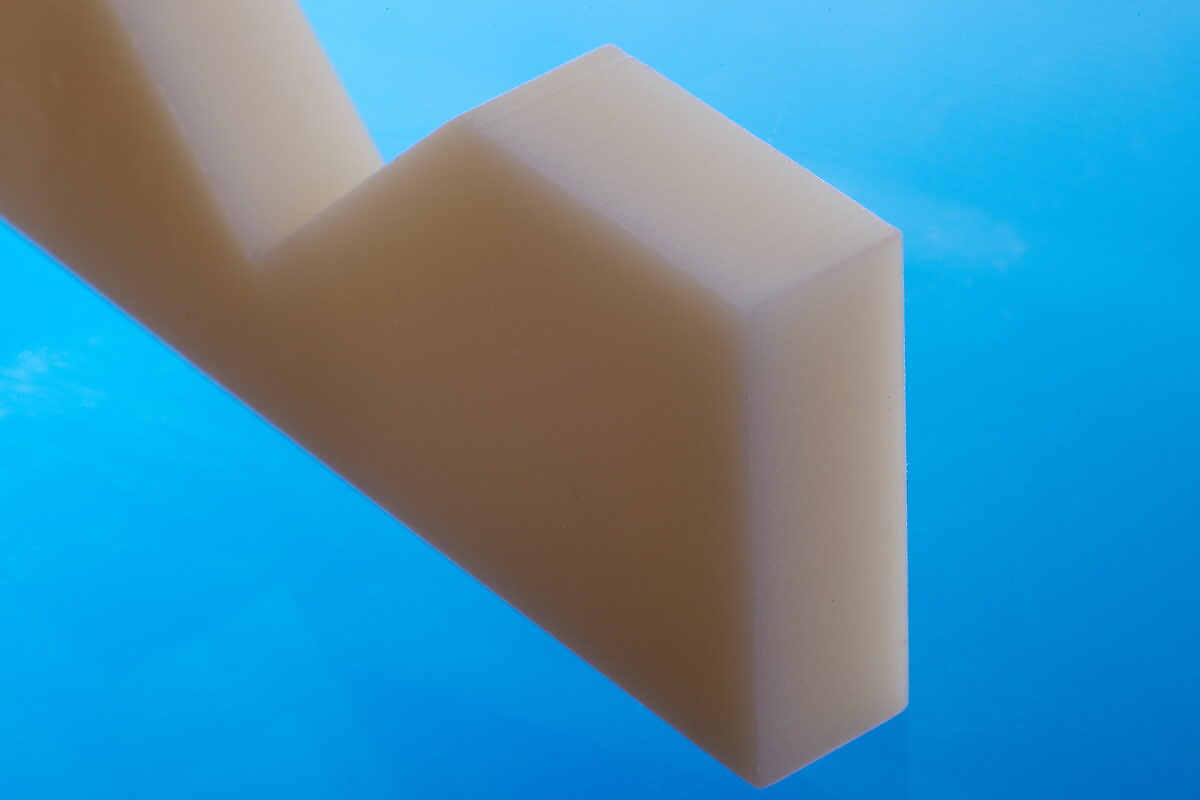
Rubber

Waterjet cutting is an advanced and precise method that uses a high-pressure jet of water to cut through different materials. For soft materials such as rubber, pure water jet (PWJ) cutting is particularly beneficial as it eliminates the need for abrasives and allows precise kerfs with minimal impact on the properties of the material.
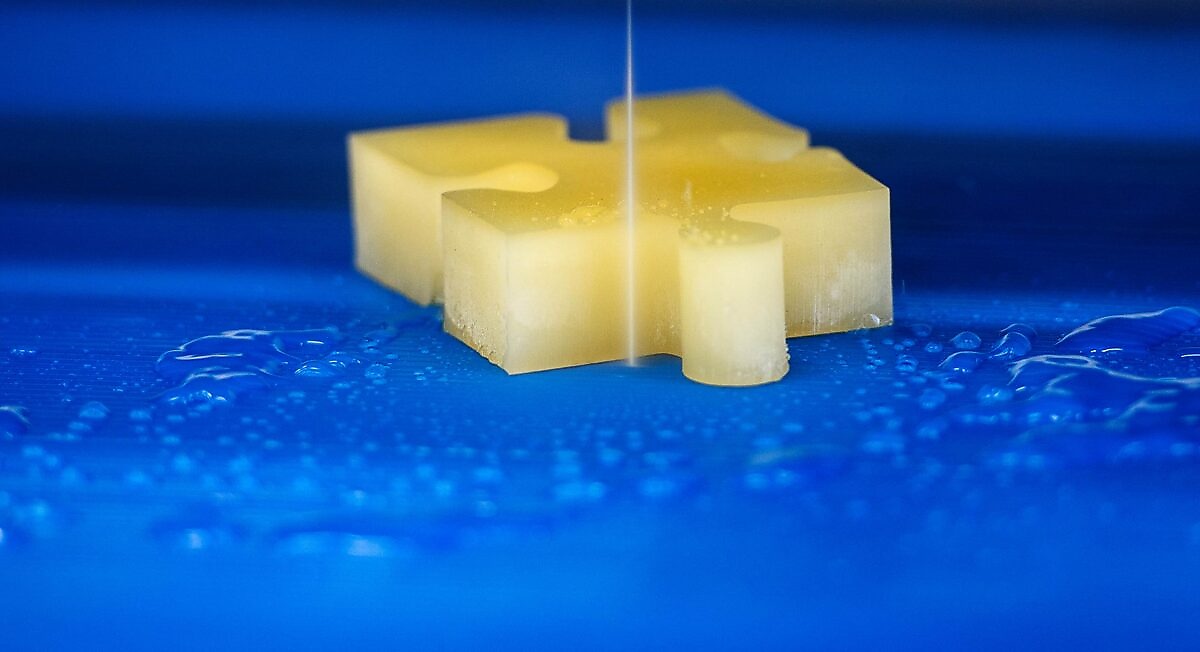
Pure waterjet cutting is proven beneficial compare to traditional methods
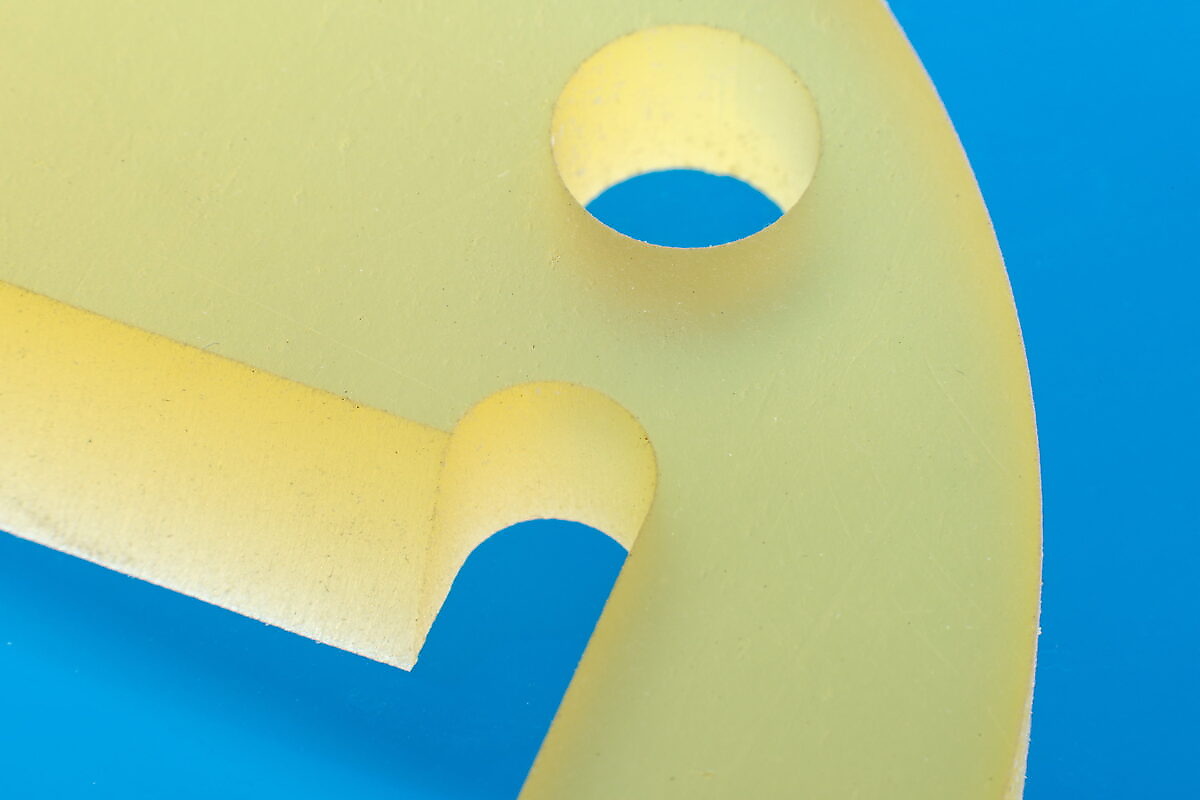
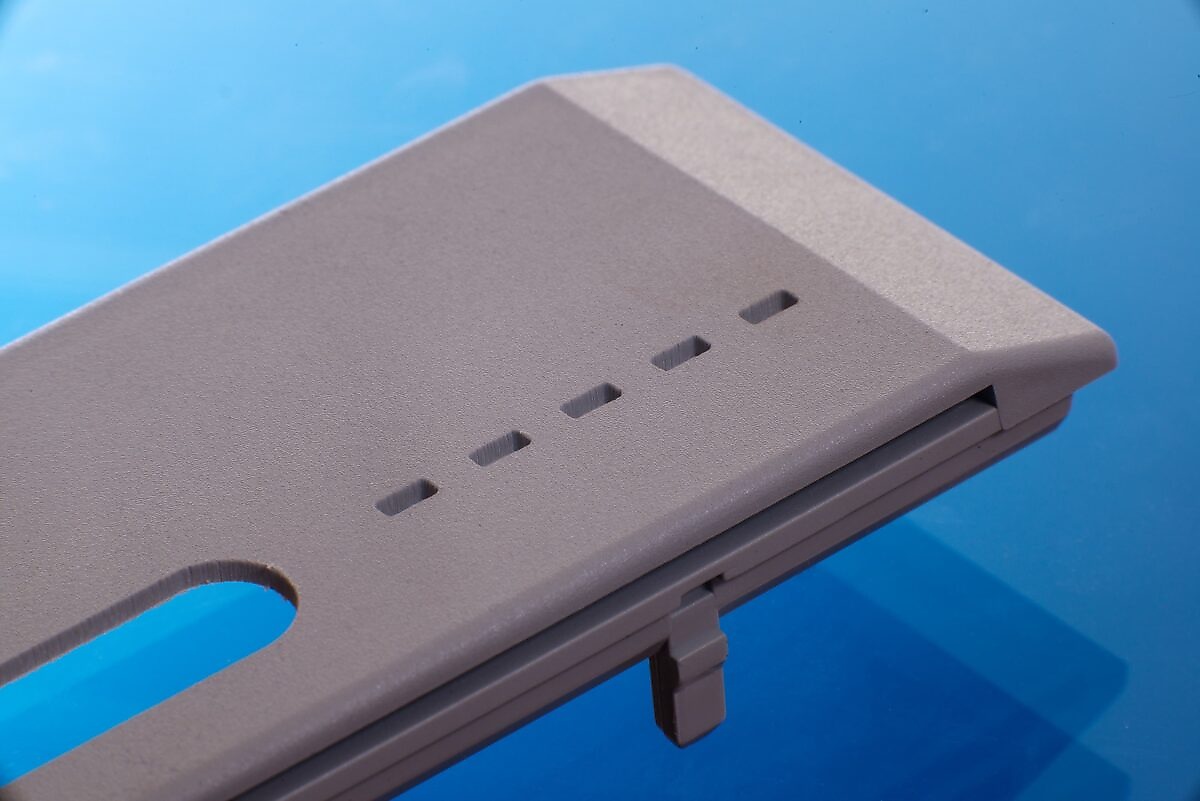
Benefits of using waterjet cutting for rubber:

  • High level of precision and intricate detail: The thin jet of water, often with a kerf of around 0.1 mm, allows complex shapes and detailed patterns to be created with meticulous accuracy. ​
  • No impact from heat: As waterjet cutting is a cold method, neither the structure nor the properties of the material are affected by heat, which prevents deformation or melting. ​
  • Efficient use of materials: The ability to use shared cutting lines and stack multiple sheets of material during cutting minimises material waste and increases production efficiency. ​
  • Flexibility in production: A speedy conversion from drawing to finished product without the need for expensive tooling makes waterjet cutting ideal for both prototypes and small to medium-sized production batches. ​

Areas of application

Sealing and gasket industry

Manufacturing of gaskets and sealing materials with a high level of precision and quality.

Insulation materials

Cutting of insulation materials for the construction and automotive industries.

Packaging industry

Production of customised packaging solutions made of foam and plastic.

Medical engineering

Manufacturing of components where meticulous precision and material integrity are essential.

FAQ

Can waterjet cutting be used for technical rubber parts?

Yes, waterjet cutting can be used for technical rubber parts such as gaskets, seals, insulation parts, protective layers, washers and custom rubber components. The process is suitable for both simple shapes and more detailed geometries.

Because the cutting path is digitally controlled, waterjet cutting can support repeatable production of rubber parts in different sizes, shapes and material thicknesses.

Is pure waterjet cutting better than abrasive cutting for rubber?

For most rubber materials, pure waterjet cutting is the preferred method because it uses only high-pressure water. Abrasive is normally used for hard materials such as metal, glass, stone or composites, while rubber is usually soft enough to be cut without abrasive.

This makes pure waterjet cutting a clean and efficient option for rubber applications where narrow cuts, flexibility and reduced material contamination are important.

What rubber materials are suitable for waterjet cutting?

Waterjet cutting can be used for many rubber and elastomer materials, including silicone, neoprene, EPDM, butyl rubber, natural rubber and other technical rubber materials.

The best cutting setup depends on the material type, thickness, hardness, flexibility and required edge quality. For more demanding applications, test cutting can help define the right process parameters.

Can waterjet cutting create small holes and detailed shapes in rubber?

Yes, waterjet cutting can create small holes, detailed contours, internal cut-outs and complex shapes in rubber materials. This is useful for gaskets, seals, technical components and custom rubber parts where accuracy and repeatability are important.

The final result depends on the material properties, part geometry, thickness and machine setup.

Is waterjet cutting suitable for soft and flexible rubber materials?

Yes, waterjet cutting is suitable for soft and flexible rubber materials. Since the process does not use a mechanical blade, it can cut materials that may otherwise stretch, deform or move during traditional cutting.

Good fixturing, material support and correct cutting parameters are important when working with very soft or elastic rubber materials.

Can rubber sheets be stacked during waterjet cutting?

In many cases, rubber sheets can be stacked during waterjet cutting to improve productivity. Stack cutting can make it possible to cut several identical parts at the same time, which can reduce production time for recurring components.

The suitability of stack cutting depends on the rubber type, sheet thickness, part geometry and required accuracy.

What affects edge quality when cutting rubber with waterjet?

Edge quality is affected by the rubber material, thickness, hardness, cutting speed, water pressure, nozzle setup and how well the material is supported during cutting. Softer or more elastic materials may require adapted settings to achieve consistent results.

For technical rubber parts, it is important to define the required tolerance, edge finish and production volume before choosing the final cutting setup.

Can waterjet cutting reduce waste in rubber production?

Yes, waterjet cutting can help reduce waste by using precise digital cutting paths and efficient nesting. This can make better use of rubber sheets and reduce unnecessary offcuts.

For companies working with expensive technical rubber materials or high-volume production, improved material utilization can have a direct impact on production cost.

Is waterjet cutting suitable for custom rubber parts and prototypes?

Yes, waterjet cutting is well suited for custom rubber parts and prototypes. Since the process is based on digital files, it can be used for one-off parts, short runs and design changes without the need for dedicated tooling.

This flexibility is useful for product development, maintenance parts, replacement components and customer-specific rubber applications.

What should companies consider before investing in a waterjet system for rubber cutting?

Companies should consider the rubber materials they need to cut, material thickness, part size, tolerance requirements, production volume and whether they need one or multiple cutting heads. They should also consider material handling, stacking possibilities, software workflow and future production needs.

Choosing the right waterjet solution from the beginning can improve productivity, reduce waste and support both current and future rubber cutting applications.

Ready to elevate your production?