
Metal
Keywords explained
Waterjet cutting metal
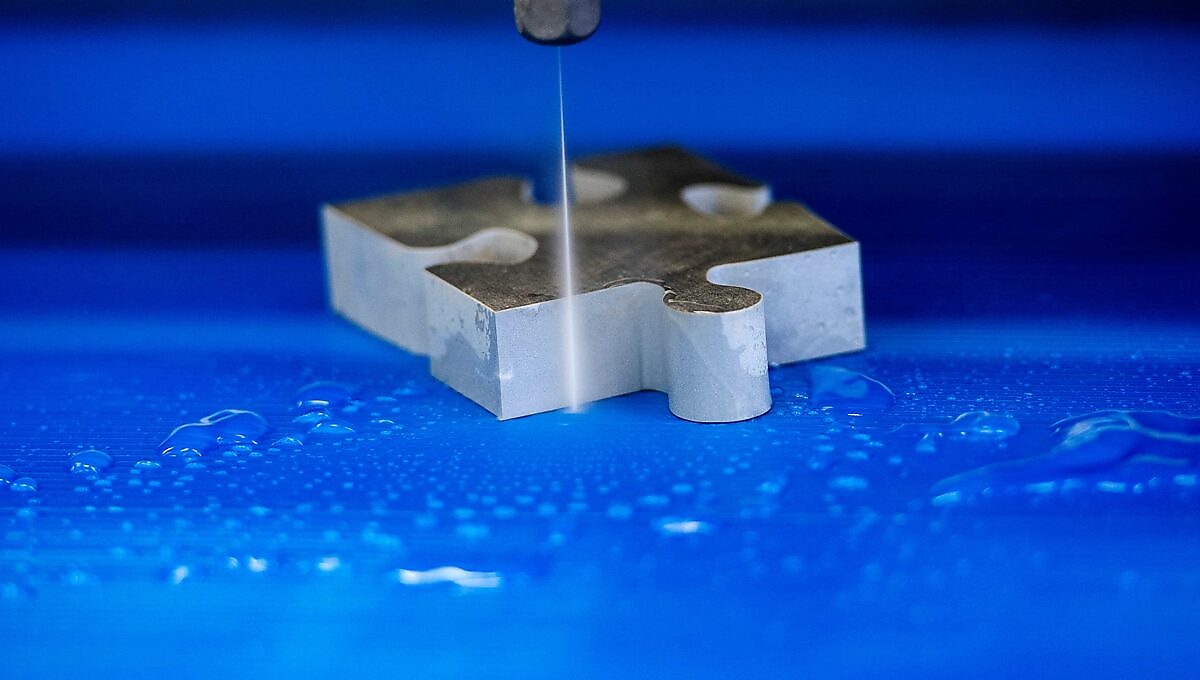
Waterjet cutting metal is the process of cutting metal materials with an ultra high-pressure waterjet combined with abrasive particles. It is used when metals need to be cut with high precision, minimal heat impact and flexible shape control.
Waterjet metal cutting
Waterjet metal cutting is another way to describe the same process. The term is often used when comparing waterjet technology with other metal cutting methods such as laser, plasma, flame cutting or mechanical machining.
Waterjet machine for metal
A waterjet machine for metal is a machine system configured to cut metal sheets, plates or components. Important factors include pump capacity, cutting head setup, abrasive supply, table size, software and the required cutting quality.
Abrasive waterjet cutting
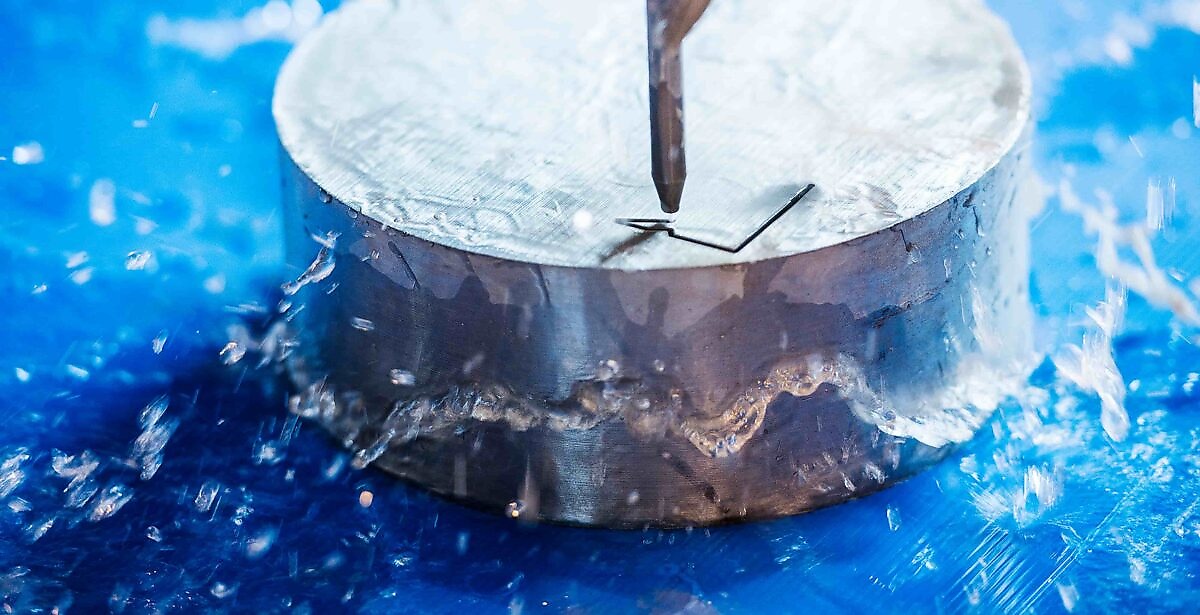
Abrasive waterjet cutting uses high-pressure water mixed with abrasive particles to cut hard materials. For metal cutting, abrasive is normally required because the abrasive particles help erode the metal and create the cut like a liquid sand-paper.
Heat-affected zone
A heat-affected zone, often called HAZ, is the area of material affected by heat during thermal cutting. Waterjet cutting does not create a heat-affected zone because it is a cold cutting process.
Cold cutting
Cold cutting means cutting without heat. In metal cutting, this helps avoid thermal distortion, warping, hardening, discoloration and changes in the material structure.
Kerf in metal cutting
Kerf is the width of the cut made by the waterjet. A narrow kerf helps improve material utilization, reduce waste and make it possible to cut detailed shapes or nest parts closely on the same sheet or plate.
Sheet metal cutting
Sheet metal cutting means cutting flat metal plates into parts, components or blanks. Waterjet cutting can be useful for metal plates when precision, material integrity and flexibility are important.
Thick metal cutting
Thick metal cutting refers to cutting thicker metal materials where cutting force, edge quality and process stability are important. Abrasive waterjet cutting can be a suitable option when heat distortion must be avoided.
Alloy cutting
Alloy cutting means cutting metals made from a combination of elements, such as stainless steel, titanium alloys, nickel alloys or tool steels. Waterjet cutting can be useful for alloys that are difficult to cut with heat-based methods.
Stainless steel cutting
Stainless steel cutting requires control of edge quality, surface finish and material properties. Waterjet cutting can cut stainless steel without thermal discoloration or heat-affected zones.
Titanium cutting
Titanium cutting can be challenging with thermal methods because heat can affect the material. Abrasive waterjet cutting can process titanium while helping preserve the material’s properties.
Near-net cutting
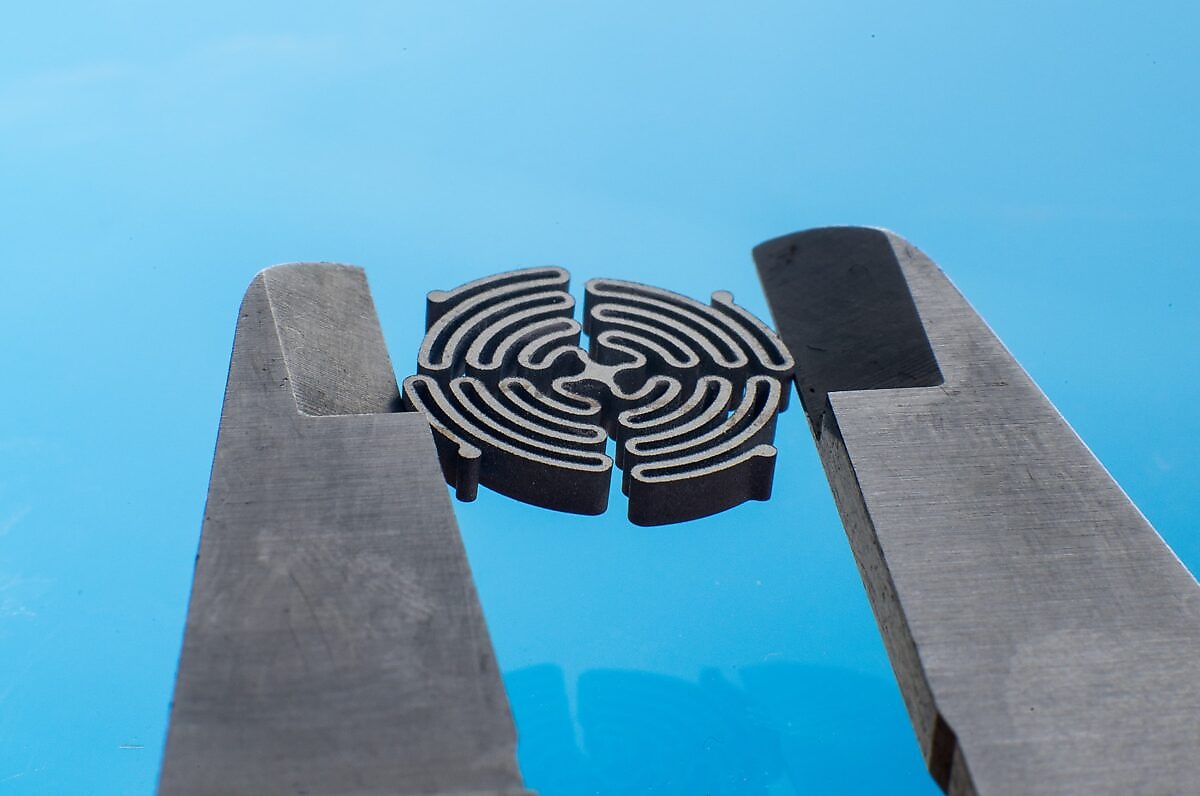
Near-net cutting means cutting a part close to its final shape, reducing the need for additional machining or manual finishing. Waterjet cutting can support near-net metal parts by producing accurate contours and clean, sating smooth edges.
Bevel cutting
Bevel cutting means cutting an angled edge instead of a straight vertical edge. In metal applications, bevel cutting can be useful for weld preparation, chamfers and components that require angled geometry.
Edge quality
Edge quality describes the finish, accuracy and consistency of the cut edge. In waterjet metal cutting, edge quality is affected by material type, thickness, cutting speed, abrasive flow, pressure, nozzle setup and machine accuracy.
Specify your metal cutting needs
To recommend the right waterjet solution for metal cutting, it is important to understand both the material and the production requirements. Metal materials can vary in hardness, thickness, alloy composition, surface finish and final application, which means the cutting setup should be adapted to the specific production need.
When contacting Water Jet Sweden, please share information about the metal type, sheet or plate size, material thickness, part geometry, tolerance requirements and expected production volume. It is also useful to specify whether the material is steel, stainless steel, aluminium, titanium, copper, brass, hardened steel, tool steel or another alloy.
Drawings or CAD files can help define the required cutting paths, holes, internal cut-outs, bevels, curves and level of detail. Please also include information about edge quality requirements, whether the part needs to be close to final shape, if post-processing is expected and whether the application involves prototypes, custom parts, recurring production or thick plate cutting.
If your production involves several different metals, varying thicknesses or complex geometries, this should also be included. With the right information, Water Jet Sweden can help evaluate the most suitable machine configuration, pump capacity, cutting head setup, abrasive process, software workflow and production solution for your metal cutting needs.