
Waterjet Cutting for Composite Manufacturing
Composite materials combine different materials to achieve high strength, low weight and advanced performance. At the same time, they can be challenging to cut because heat, mechanical stress and incorrect cutting parameters can affect the material structure and the quality of the finished part. Waterjet cutting offers a precise, flexible way to cut composite materials without introducing heat into the material.
For composite manufacturers, this makes waterjet technology suitable for cutting, trimming, and shaping a wide range of composite components. It can be used for both prototypes and production parts where clean edges, repeatability, and control over the cutting process are important.

Precision Without Heat that Affects the Material Properties
Waterjet cutting is a cold cutting process, which means that the material is not exposed to the heat generated by thermal cutting methods. This is particularly important when working with composites, where heat can affect the matrix, fibres or bonding layers and potentially lead to burning, melting, delamination or changes in material properties.
By avoiding a heat-affected zone, waterjet cutting helps preserve the structure of the composite material during cutting. With the correct cutting parameters, the process can provide accurate and repeatable results while reducing the risk of thermal damage to high-value composite components.
Cutting a Wide Range of Composite Materials
Composite manufacturing covers a broad range of materials and structures, from carbon fibre and glass fibre composites to laminated and reinforced materials. Waterjet technology can be used for carbon fiber, CFRP, GFRP, fiberglass, Kevlar, aramid fiber, laminated composites, sandwich panels and other fiber-reinforced materials.
Abrasive waterjet cutting is often used for hard and reinforced composites, while the cutting setup can be adapted to the specific material and application. Material structure, thickness, required edge quality and production requirements all play a role in determining the right process parameters.
Waterjet Cutting for Carbon Fiber, CFRP and GFRP
Carbon fiber and other reinforced composites are often used where low weight and high performance are important. CFRP is common in demanding applications where strength-to-weight ratio matters, while GFRP is used across a wide range of industrial and structural applications. Cutting these materials requires control over both the material and the finished edge.
Because waterjet cutting does not rely on heat, it can be used for accurate cutting and trimming without the thermal effects associated with many traditional cutting processes. With the right parameters, waterjet cutting can also help reduce the risk of delamination and edge damage, although the final result depends on the laminate structure, thickness, cutting speed, abrasive setup and required tolerance.
Clean and Accurate Composite Part Trimming
Trimming is an important part of composite manufacturing, particularly when working with molded or near-finished components. Waterjet cutting can accurately remove excess material and create the final geometry of a composite part, helping manufacturers achieve consistent results across repeated components.
The process is particularly useful when parts have complex shapes or when manual trimming would require additional time and finishing work. By using CNC-controlled waterjet cutting, manufacturers can follow defined geometries and repeat the same cutting process from part to part.
Cutting Laminated and Reinforced Composites
Laminated composite materials contain multiple layers that can have different properties and cutting characteristics. This makes edge quality and process control important, particularly when the finished component has demanding dimensional or surface requirements.
Waterjet cutting can process laminated composites with low heat impact and a high degree of flexibility. The cutting parameters can be adapted to the laminate structure, material thickness and required edge quality, helping manufacturers find a suitable process for different composite constructions.
5-Axis Waterjet Cutting for Complex Composite Parts
Some composite components require more than straightforward 2D cutting. Molded parts, curved surfaces and complex geometries can require angled cuts or trimming in several planes, where 5-axis waterjet cutting can provide greater flexibility.
A 5-axis waterjet system can follow the geometry of the component and produce angled or complex cuts without relying on manual trimming for every part. This can help improve accuracy and repeatability while reducing the need for secondary processing when the application allows it.
Reduce Secondary Processing
The cutting process can have a direct effect on how much work is required after cutting. When composite parts need additional sanding, grinding, machining or manual correction, cutting can become only one step in a longer production process.
Waterjet cutting can reduce the need for secondary processing in many applications by combining accurate cutting with a non-thermal process. The result depends on the material, geometry and required finish, but for suitable applications this can help reduce production time and improve repeatability.
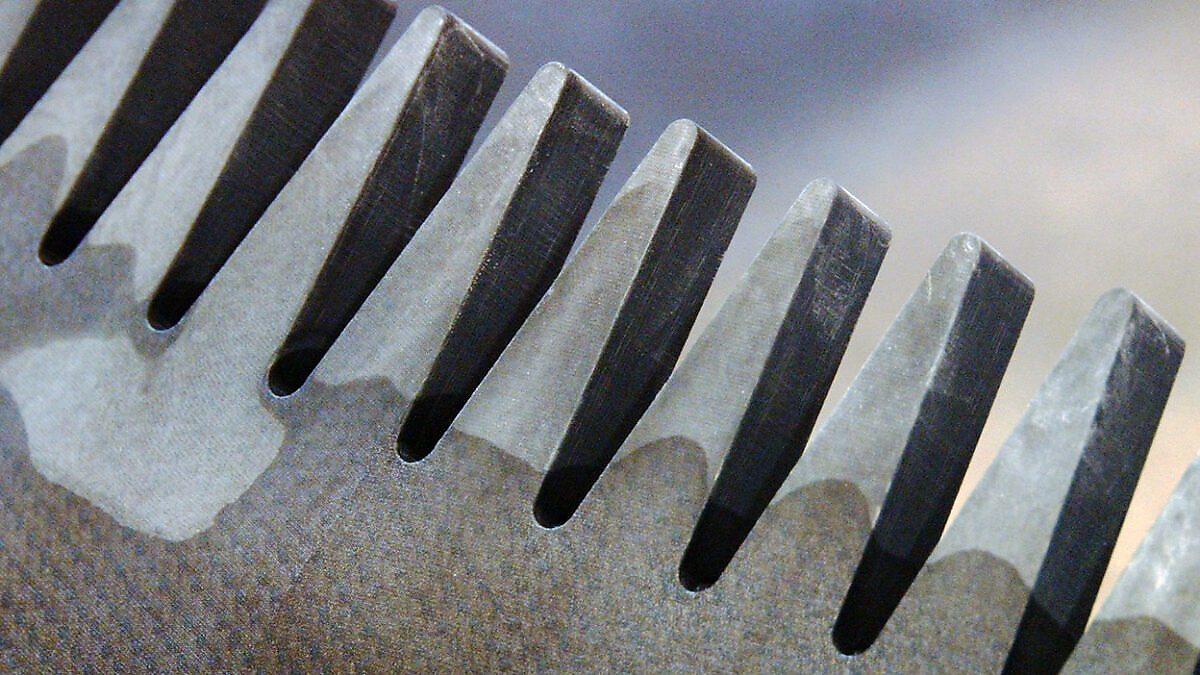
A Flexible Solution for Advanced Composite Manufacturing
Composite manufacturing often involves demanding materials, complex components and changing production requirements. Waterjet cutting provides a flexible solution that can be used for prototypes, trimming and production components without requiring dedicated cutting tools for each new geometry.
The technology can support applications in aerospace, automotive, marine, energy and defence, where composite materials are used to reduce weight, improve performance and enable advanced product designs. For manufacturers working with different materials and part geometries, waterjet cutting can provide a flexible way to adapt the cutting process to the component.
A Waterjet Solution for Your Composite Manufacturing
Looking for a precise way to cut composite materials without introducing heat? Get in touch with our team to discuss your materials, components and production requirements. We can help you find a waterjet solution suited to your composite cutting application.
Frequently Asked Questions
Why is waterjet cutting used in composite manufacturing?
What composite materials can be cut with waterjet technology?
Can waterjet cutting cut carbon fiber without delamination?
Why is cold cutting important for composite materials?
Can waterjet cutting be used for CFRP and GFRP?
How does waterjet cutting support composite part trimming?
Is waterjet cutting suitable for laminated composite materials?
When is 5-axis waterjet cutting used for composite parts?
Can waterjet cutting reduce secondary processing in composite manufacturing?
How does waterjet cutting support advanced composite manufacturing?
Explore Solutions for Your Business
Business
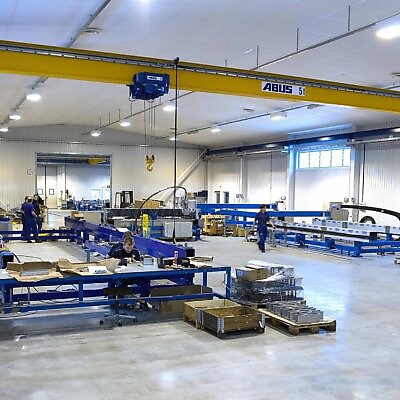
Machine Shops & Job Shops
Increase cutting versatility, shorten setup times, and take on complex, high-margin jobs with complete confidence. Whether you process single prototypes or small batches, our systems adapt quickly to changing customer demands.
Business
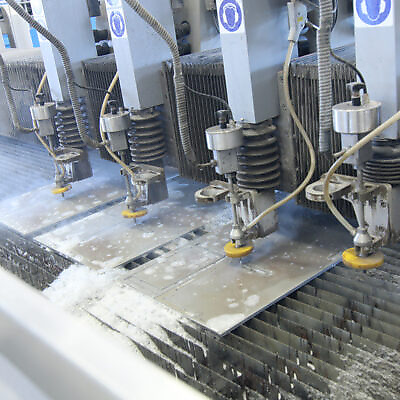
Contract manufacturers
Boost output with high-uptime systems engineered for rapid job transitions and multi-shift reliability. Lower your operating costs per part while delivering consistent quality on high-volume production runs.