
Metals – Aluminum
Waterjet cutting is an ideal method for working with aluminium, especially when the material’s properties must be kept intact. This cold cutting technique does not affect the structure of the aluminium, so it is particularly useful in industries where precision and material quality are crucial.
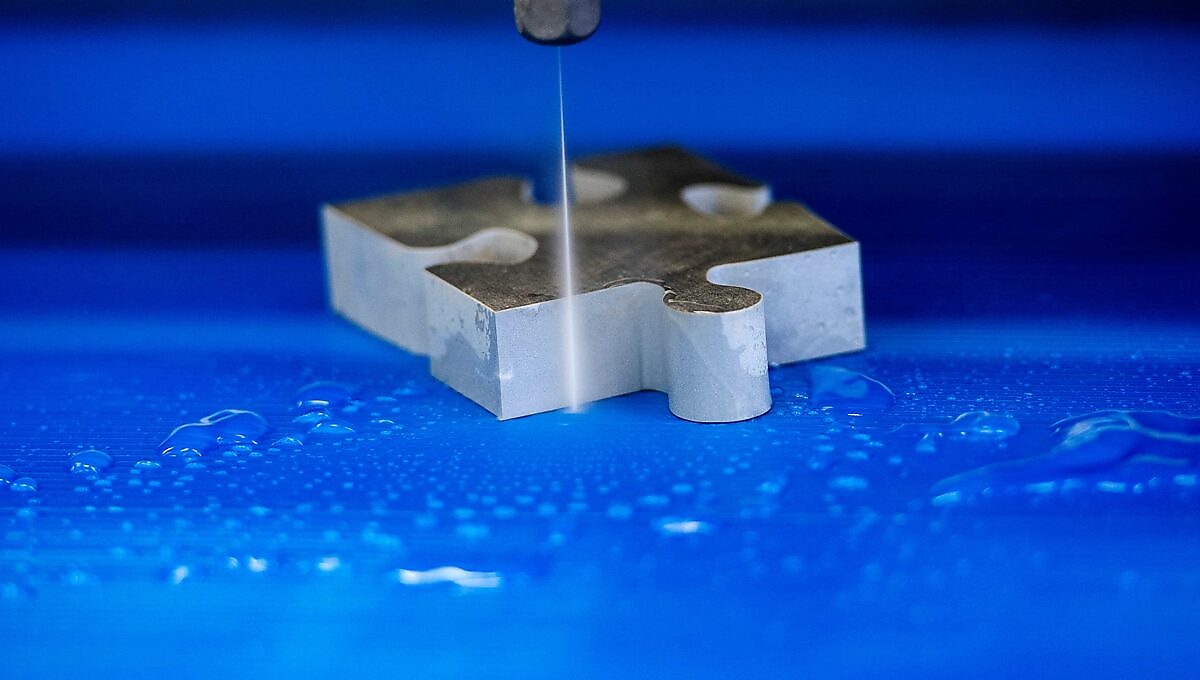
Abrasive waterjets are ideally aluminum cutting
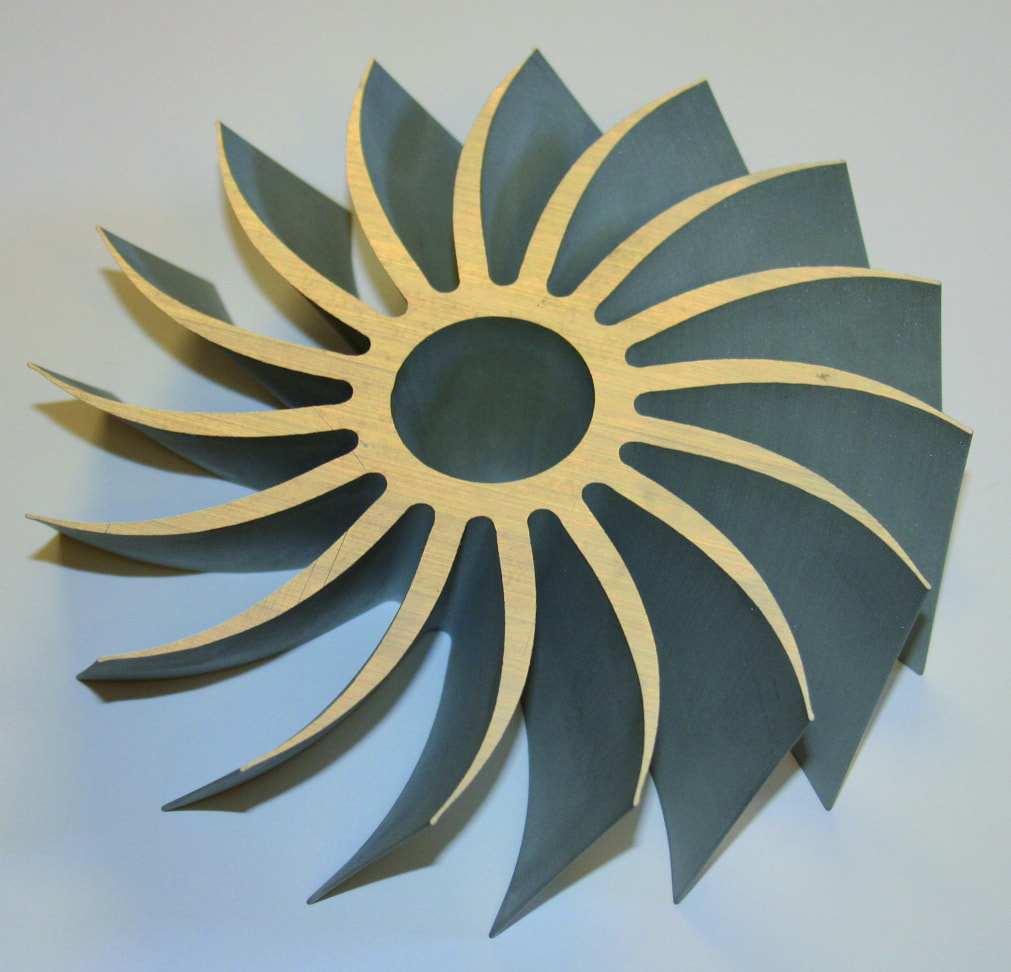


Benefits of using waterjet cutting for aluminium:
- Preserved material structure: As waterjet cutting is a cold method, it does not change the metallurgical properties of aluminium. This means that the material retains its original strength and shape after cutting.
- No heat-affected zone: Unlike other cutting methods that can create heat-affected zones, waterjet cutting eliminates the risk of any thermal impact on the aluminium. This is particularly important for avoiding deformation or changes in the material’s properties.
- Environmentally friendly process: Waterjet cutting does not produce smoke or dust, which makes for a cleaner and safer working environment.
- Flexibility in thickness: Whether you need to cut thin aluminium sheets or thicker sections, waterjet cutting can handle different thicknesses with a high level of precision.
This method is therefore particularly suitable for applications in the aerospace and automotive industries, where a high level of accuracy and material integrity is required.
Keywords explained
Waterjet cutting aluminium
Waterjet cutting aluminium means cutting aluminium materials with abrasive waterjet technology. The method can be used for aluminium sheets, plates, profiles, custom parts and industrial components.
Aluminium cutting machine
An aluminium cutting machine is used to cut aluminium into specific shapes or parts. A waterjet machine can be a flexible aluminium cutting machine for companies that need to process different thicknesses, geometries and production volumes.
Abrasive waterjet cutting aluminium
Abrasive waterjet cutting aluminium uses high-pressure water mixed with abrasive particles. The abrasive helps cut through the aluminium while the process remains cold and controlled.
Heat-affected zone in aluminium
A heat-affected zone is an area where the material has been changed by heat during cutting. Waterjet cutting does not create a heat-affected zone, which helps preserve aluminium’s material properties.
Thermal distortion
Thermal distortion means that a material changes shape because of heat. Aluminium can be sensitive to heat, so cold cutting can help reduce the risk of warping, deformation or dimensional changes.
Aluminium sheets
Aluminium sheets are flat aluminium materials often used for panels, covers, design parts, industrial components and lightweight structures. Waterjet cutting can create custom shapes, holes and contours in aluminium sheets.
Aluminium plates
Aluminium plates are thicker flat aluminium materials used for stronger components, machine parts, structural details and industrial applications. Waterjet cutting can be used when precision and low heat impact are important.
Aluminium alloy
An aluminium alloy is aluminium mixed with other elements to achieve specific properties such as strength, corrosion resistance or machinability. The alloy type can affect cutting speed, edge quality and process settings.
Lightweight metal cutting
Lightweight metal cutting refers to cutting materials such as aluminium and titanium that are used when weight reduction is important. Waterjet cutting can support lightweight applications without adding thermal stress to the material.
Near-net aluminium parts
Near-net aluminium parts are cut close to their final shape, reducing the need for additional machining or manual finishing. Waterjet cutting can support near-net production by creating accurate contours and internal features.
Aluminium prototypes
Aluminium prototypes are test parts or early-stage components used in product development. Waterjet cutting is suitable for prototypes because it is digitally controlled and does not require dedicated tooling.
Aluminium edge quality
Aluminium edge quality describes the finish, accuracy and consistency of the cut edge. It is affected by material thickness, alloy type, cutting speed, abrasive flow, pressure and machine setup.
Aluminium nesting
Aluminium nesting means placing multiple parts efficiently on the same aluminium sheet or plate before cutting. Good nesting can reduce waste and improve material utilization.
Bevel cutting aluminium
Bevel cutting aluminium means cutting an angled edge instead of a straight vertical edge. This can be useful for weld preparation, chamfers and parts that require angled geometry.
Specify your aluminium cutting needs
To recommend the right waterjet machine for aluminium cutting, it is important to understand both the material and the production requirements. Aluminium can vary in alloy type, thickness, surface finish, strength and final application, which means the cutting setup should be adapted to the specific production need.
When contacting Water Jet Sweden, please share information about the aluminium alloy, sheet or plate size, material thickness, part geometry, tolerance requirements and expected production volume. It is also useful to describe whether the application involves prototypes, custom parts, recurring production, thick plates, visible edges or lightweight components.
Drawings or CAD files can help define the required cutting paths, holes, internal cut-outs, bevels, curves and level of detail. Please also include information about edge quality requirements, post-processing needs and whether the part needs to be close to its final shape directly after cutting.
If your production involves several aluminium thicknesses, mixed materials or changing production volumes, this should also be included. With the right information, Water Jet Sweden can help evaluate the most suitable machine configuration, pump capacity, cutting head setup, abrasive process, software workflow and production solution for your aluminium cutting needs.