
Industries
Waterjet cutting is used across industries where materials, component geometries and production requirements can vary significantly. From aerospace and defence to energy, metal fabrication and composite manufacturing, the cutting process needs to match what you actually produce and the materials you work with.
At Water Jet Sweden, we focus on waterjet technology and on helping you find a solution that fits your production. Whether you are developing prototypes, producing recurring components or looking for more flexibility in your manufacturing, we can help you evaluate the right setup for your application.

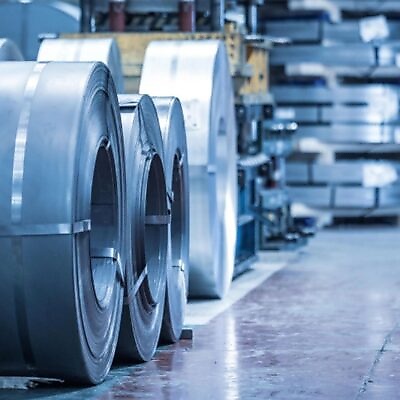



One Technology, Many Manufacturing Requirements
Different industries have different demands, but many share the need for accurate cutting, consistent results and control over the manufacturing process. Waterjet cutting provides a flexible way to process everything from metals and advanced alloys to composites, plastics, rubber, ceramics and other materials.
Because the process is cold cutting, it does not create a heat-affected zone in the material. This can be important when material properties, dimensional accuracy or the condition of the cut edge need to be maintained. Depending on the application, waterjet technology can also help reduce secondary processing and make production easier to control.
Waterjet Cutting for Your Industry
Explore how waterjet technology can be used in different manufacturing environments. Each industry page focuses on the materials, applications and production requirements that are particularly relevant to that field.
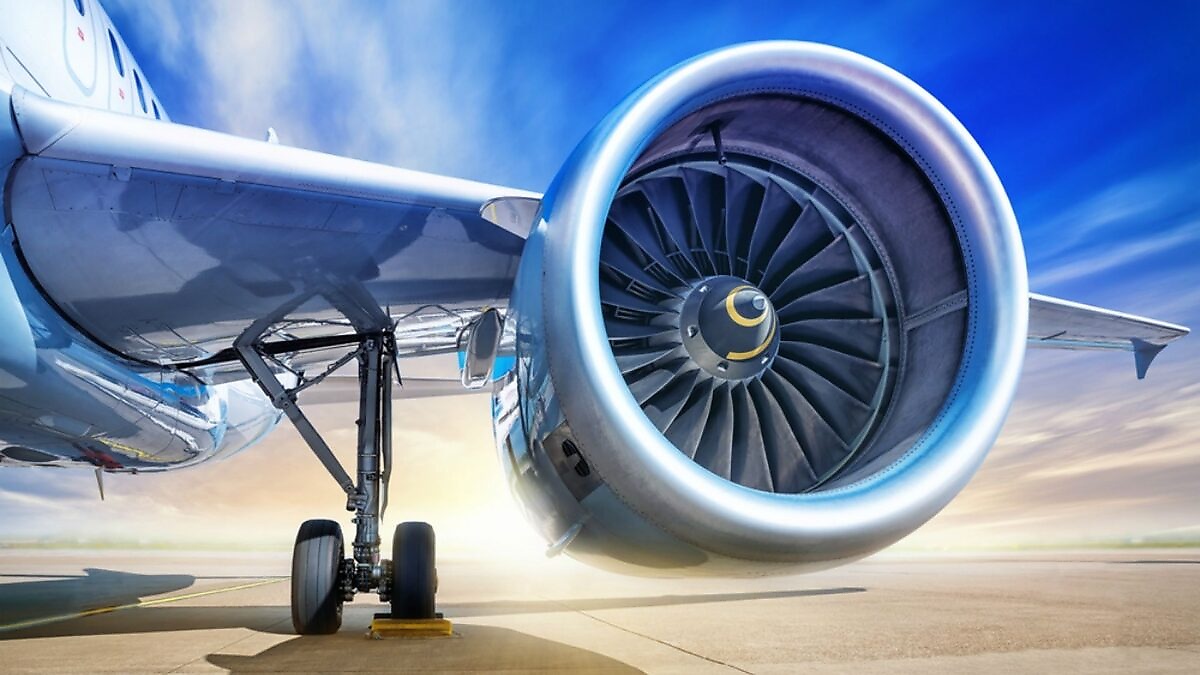
Aerospace
Aerospace manufacturing involves demanding materials and components where precision and material integrity are important. Waterjet cutting can process titanium, aluminium alloys, superalloys and composite materials without introducing heat into the workpiece.
From prototypes and aircraft components to complex 5-axis geometries, waterjet technology can support different stages of aerospace production.

Defence
Defence manufacturing can involve high-strength metals, advanced composites and other materials that require careful processing. Waterjet cutting provides a non-thermal process for components where accuracy, repeatability and material properties matter.
The technology can be used across prototyping, production and maintenance applications, including complex components that require 5-axis cutting.
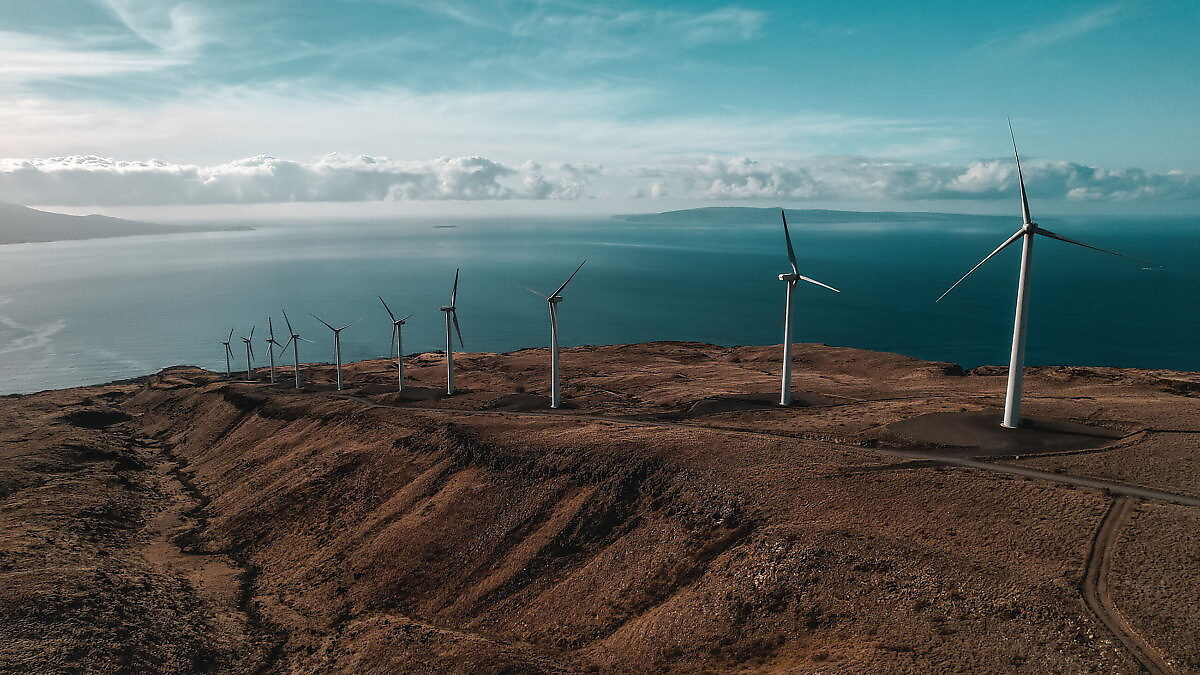
Energy
The energy industry covers a broad range of applications, from power generation and renewable energy to offshore and other demanding industrial environments. Waterjet cutting can process metals, composites and non-metallic materials while avoiding heat-related effects.
The flexibility of the process makes it suitable for both established production and applications involving prototypes, replacement parts or different material types.

Metal Fabrication
Metal fabrication often requires flexibility across materials, thicknesses and production volumes. Waterjet cutting can process stainless steel, carbon steel, aluminium, titanium, copper, brass and other metals without introducing thermal distortion.
This makes it suitable for custom parts, prototypes, short production runs and recurring manufacturing where accurate cutting and efficient material use are important.

Composite Manufacturing
Composite materials are used where low weight, strength and specific performance characteristics are important. At the same time, many composites require careful cutting because heat and incorrect processing can affect the material structure.
Waterjet cutting provides a non-thermal method for cutting and trimming carbon fibre, CFRP, GFRP and other reinforced or laminated materials. It can also be combined with 5-axis technology for more complex composite geometries.
Why Waterjet Technology Works Across Industries
The advantage of waterjet technology is not that every application is the same. It is that the process can be adapted to very different production requirements. Abrasive waterjet can be used for hard materials such as metals and composites, while pure waterjet is suitable for softer materials.
The same basic technology can also support different production volumes and component types. You can use waterjet cutting for one-off parts and prototypes as well as recurring production, while CNC control and CAD/CAM integration help make the process repeatable from job to job.
When Material Integrity Matters
Heat can be a problem when cutting materials that are sensitive to thermal effects or when the original material properties need to be maintained. Laser, plasma and other thermal cutting methods can be effective in many applications, but they introduce heat into the workpiece.
Waterjet cutting works differently. The material is removed mechanically by a high-pressure water jet, with abrasive added when required, so the cutting process does not create a heat-affected zone. This makes the technology useful in applications where avoiding thermal distortion or changes to the material is part of the manufacturing requirement.
From Prototype to Production
Not every manufacturing project starts with a large production run. Development work, design changes, prototypes, replacement parts and smaller batches can all require a cutting process that is flexible enough to handle changing requirements.
Waterjet cutting does not require dedicated cutting tools for every new geometry. With CNC-controlled production, a digital design can be converted into a physical component and reproduced when needed. This makes the technology suitable for companies that need to combine development work with ongoing production.
Complex Parts with 5-Axis Waterjet Cutting
Some components require more than a standard 2D cut. Angled edges, bevels, complex contours and cutting in several planes can call for 5-axis waterjet technology.
By allowing the cutting head to approach the material from different angles, 5-axis cutting can produce more advanced geometries directly in the machine. Depending on the application, this can reduce additional machining, simplify production and improve repeatability.
A Waterjet Solution Built Around Your Production
There is no single waterjet setup that is right for every industry or every manufacturer. Material type, thickness, component size, geometry, tolerance, production volume and required cut quality all affect the right configuration.
We are specialists in waterjet technology, and our role is to help you find a solution that makes sense for the work you actually do. We stay involved beyond the machine purchase as well, with Swedish technology, world-leading components, fast access to spare parts and original parts shipped the same day they are ordered.
Looking for the right waterjet solution for your industry? Talk to our team about your materials, components and production requirements.