
Waterjet Cutting for Machine Shops
Increase cutting versatility, shorten setup times, and take on complex, high-margin jobs with complete confidence. Whether you process single prototypes or small batches, our systems adapt quickly to changing customer demands.
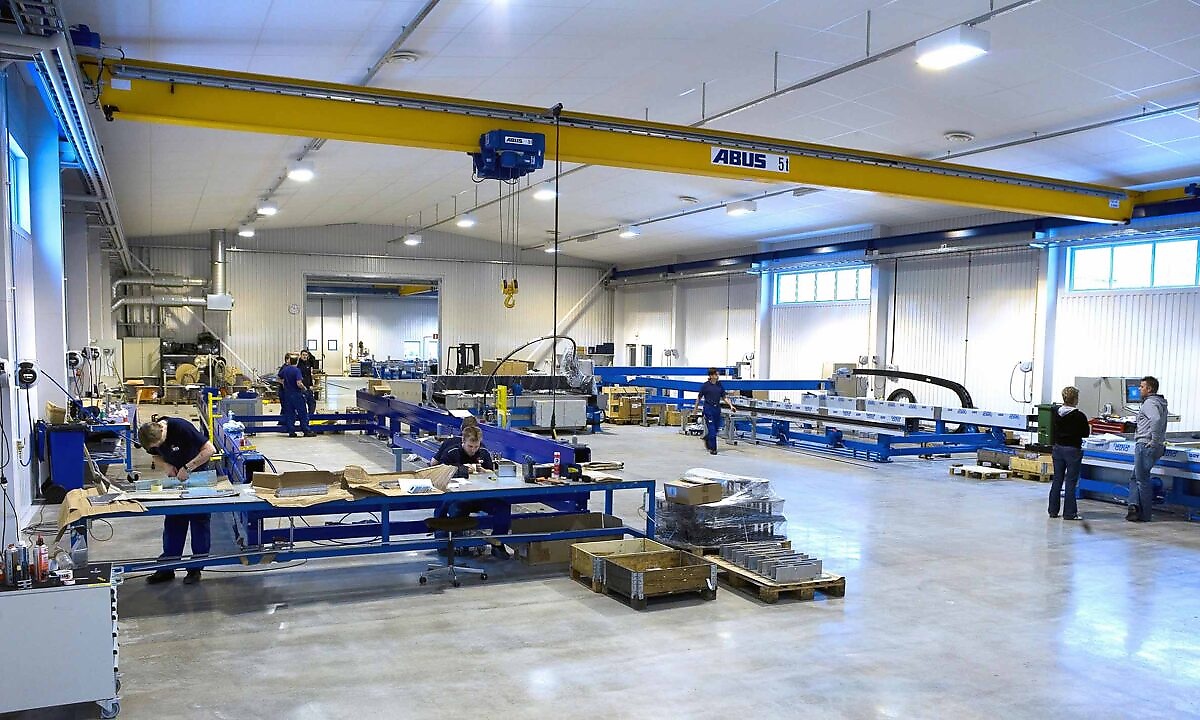
Expand Capacity, Cut Any Material, and Handle Every Customer Demand
In a modern machine shop, success depends on versatility, rapid turnaround, and the ability to handle whatever drawing or material a customer sends through the door.
While traditional CNC milling, turning, laser, and plasma systems excel at specific tasks, relying solely on them can limit the jobs you can accept. Thermal distortion, hard-to-machine metals, thick plates, or long lead times from external suppliers often create unnecessary bottlenecks.
Integrating an in-house waterjet cutting system gives machine shops and job shops an extremely versatile edge. From cutting quick one-off prototypes to prep-machining near-net shapes, waterjet technology delivers cold-cutting capability for virtually any material without changing tooling or risking thermal damage.
Why Machine Shops Choose Waterjet Cutting
Machine shops face constant pressure to adapt quickly, reduce lead times, and maintain profit margins on short production runs. Waterjet cutting addresses these core operational challenges by streamlining how material enters your workshop.
- Unmatched Material Versatility: Cut everything from aluminum, steel, and titanium to copper, composites, glass, and rubber on a single machine.
- Eliminate Thermal Distortion: As a pure cold-cutting process, waterjet cutting creates zero heat-affected zones (HAZ), eliminating material warping, structural hardening, or edge discoloration.
- Zero Dedicated Tooling: Transition from one customer drawing to the next in minutes using digital DXF or CAD files without investing in specialized cutting tools.
- Streamline Existing CNC Workflows: Use waterjet systems to quickly cut near-net blanks, reducing roughing times, tool wear, and material waste on your CNC mills and lathes.
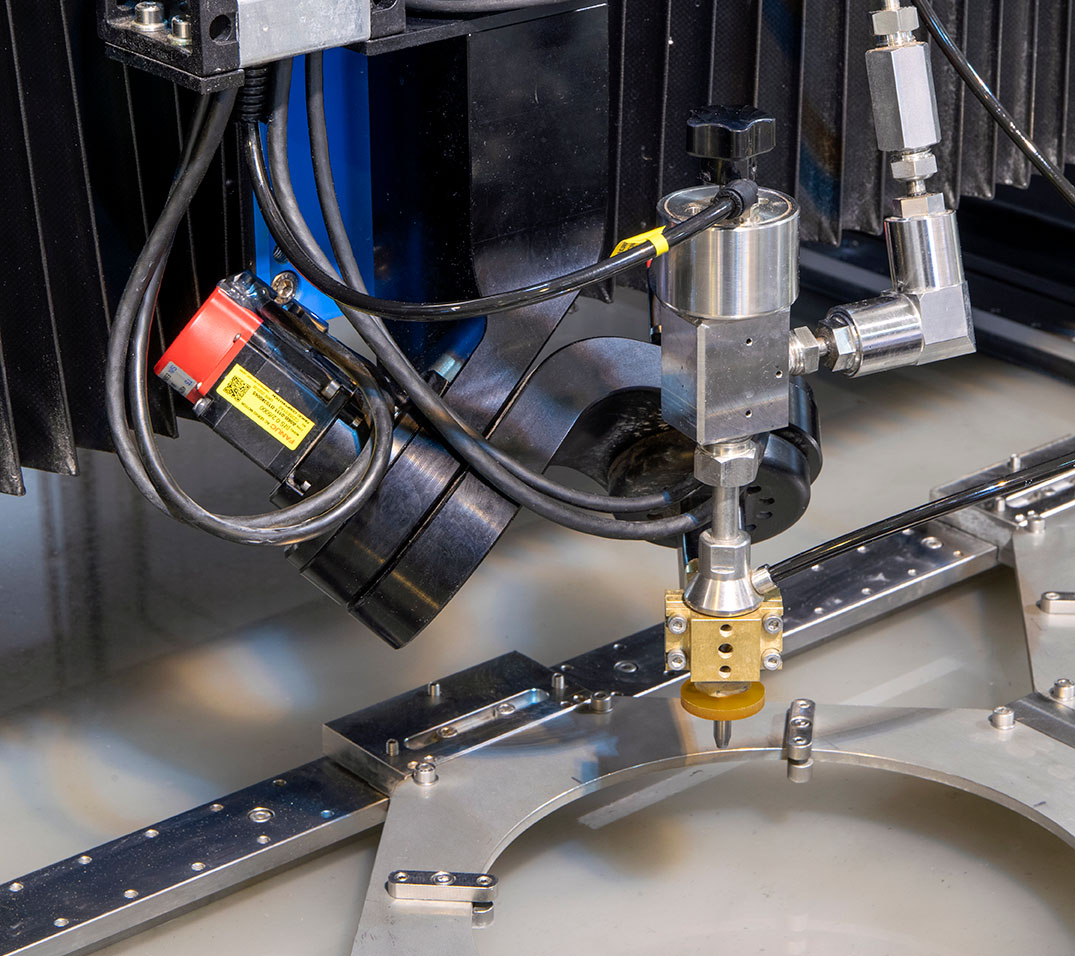
Expand Your Service Offering and Accept More Jobs
When your machine shop can handle any material and complex geometry, you never have to turn away high-margin customer requests.
Adding waterjet capabilities allows you to accept custom parts, intricate internal cut-outs, tight-radius contours, and thick-plate components that would be too slow, costly, or difficult to process using conventional milling or thermal cutting methods.
Whether producing specialized industrial components, repair parts, or architectural brackets, one waterjet machine enables your shop to win business that previously went to competitors or specialized external vendors.
Complete Cold-Cutting Capability Across All Materials
Different customer projects demand different materials. Waterjet Sweden systems handle both hard and soft substances with ease using two primary processes:
Abrasive Waterjet Cutting
For hard materials, natural garnet abrasive is introduced into the high-pressure water stream. This enables rapid, clean cutting through dense metals and hard substances, including:
- Structural & Alloy Steels: Carbon steel, stainless steel, tool steel, and hardened armor plate.
- Non-Ferrous Metals: Aluminum, titanium, brass, copper, and bronze.
- Hard Non-Metals: Glass, stone, ceramics, dense composites, and carbon fiber.
Pure Waterjet Cutting
For soft, flexible materials, pure high-pressure water cuts at supersonic speeds without abrasive additives. This provides razor-sharp edges and fast processing for:
- Plastics
- Rubber
- Foam
- gasket materials
- Insulation
- Thin laminates
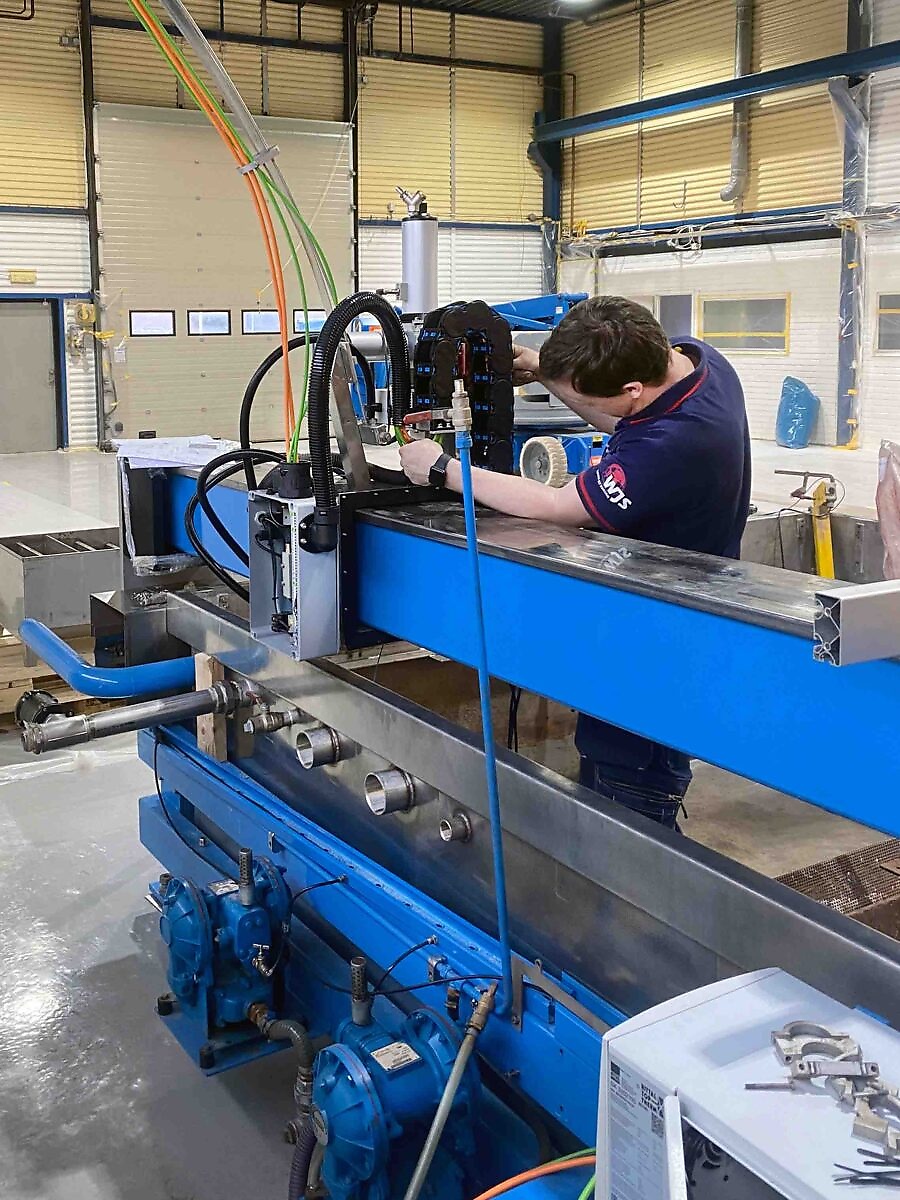
Reduce Lead Times and Take Control of Production
Waiting days or weeks for external laser, plasma, or waterjet suppliers delays job completion and hurts customer satisfaction. Bringing waterjet cutting in-house transforms your responsiveness.
Immediate Job Execution: Load drawings and start cutting parts the moment an order or revision arrives.
Fast Emergency Turns: Accommodate urgent customer repair jobs or rush orders without disrupting main production schedules.
Seamless Drawing Revisions: When customer specifications change mid-project, update the digital cutting path instantly—no scrapped custom tooling required.
Ideal for Prototypes, One-Off Parts, and Small Batches
Job shops often struggle with the setup costs associated with short production runs. Waterjet cutting excels in prototype and low-volume environments because it relies entirely on software-driven parameters.
Because the cutting stream exerts minimal mechanical force on the workpiece, clamping requirements are simple and fast. Engineers and machinists can cut a single prototype, verify dimensions, adjust the CAD file, and cut a modified version in a fraction of the time required by traditional methods.
Precision Custom Work and Complex Geometries
Waterjet cutting handles delicate features, sharp corners, narrow slots, internal cut-outs, and hole patterns across varying material thicknesses.
Whether cutting 0.5 mm thin sheet metal or 200 mm thick solid alloy plates, the process maintains consistent edge quality without mechanical chatter or tool deflection. This makes it ideal for project-specific components that require complex contours.
Complementing Your Existing CNC, Laser, and Plasma Machines
A waterjet system does not replace your existing workshop machinery—it makes your entire facility more efficient.
The Waterjet Pre-Machining Workflow
- Raw Material Preparation: Load full-sized metal plates, sheets, or blocks onto the waterjet table.
- Cold-Cutting Near-Net Shapes: Rapidly cut out complex outer contours, weight-reduction pockets, and internal openings with zero heat damage or material hardening.
- Optional CNC Finishing: Move the pre-cut blank directly to your CNC mill, lathe, or drilling center only for high-precision finishing features like tapped holes, close-tolerance bores, or critical mating surfaces.
How Waterjet Compares to Other Technologies
- Versus Thermal Cutting (Laser & Plasma): Waterjet cuts thick plates and non-conductive or highly reflective materials (copper, brass, stone, glass, composites) without heat damage, edge hardening, or toxic fumes.
- Versus CNC Milling: Instead of spending hours machining away massive amounts of solid block material, rough out complex blanks on the waterjet in minutes, dramatically reducing milling time, tool wear, and scrap material.
Edge Quality and Precision Tailored to Your Needs
- Precision and edge finish in waterjet cutting are entirely controllable based on target application, material type, thickness, and speed.
- Raw / Separation Cut: Fast cutting speed for rough blanks, weld preparation, or parts receiving secondary machining.
- Standard Industrial Cut: Balanced speed and finish suitable for most structural components, brackets, and general job shop work.
- Fine / Precision Cut: Slower cutting speed delivering smooth edge surfaces with minimal taper, often eliminating the need for post-processing entirely.
Selecting the Right Waterjet Configuration for Your Workshop
Every machine shop operates differently. Choosing the right waterjet machine depends on your typical workpiece sizes, material mix, and output goals:
- Table Size & Footprint: Compact machines fit tighter workshop spaces, while larger gantries accommodate full-sized raw sheet stock to reduce pre-cutting material prep.
- Multi-Head Configurations: Increase throughput on recurring small-batch runs by cutting multiple identical parts simultaneously.
- 2D vs. 5-Axis & Bevel Cutting: Standard 2D systems handle flat sheet and plate work, while 5-axis heads enable beveling for weld preparation or taper compensation on thick parts.
- Micro Waterjet Cutting: Designed specifically for high-precision miniature components, narrow kerf widths, and tight tolerance medical or instrument manufacturing.
Maximize Profitability and Lower Outsourcing Costs
Investing in an in-house waterjet machine directly impacts a machine shop’s bottom line:
- Eliminate Vendor Markup: Keep profit margins in-house rather than paying third-party cutting services.
- Optimize Material Usage: Advanced nesting software packs parts tightly together on raw plates, reducing material waste on expensive alloys.
- Eliminate Bottlenecks: Control your production schedule from raw stock to finished delivery.
- Win Higher-Value Contracts: Offer single-source solutions to customers who require fast turnaround on multi-material assemblies.
Partnering with Water Jet Sweden
Choosing a waterjet solution is about more than just buying hardware; it requires selecting a configuration optimized for your specific business.
At Water Jet Sweden, we assist machine shops through material test cutting, custom machine configuration, operator training, and reliable technical guidance. Built with Swedish engineering, our long-lasting machines are backed by direct hotline support, high-availability original spare parts, and comprehensive lifetime service to ensure maximum uptime for your workshop.