
Foam
Waterjet cutting is an advanced and precise method that uses a high-pressure jet of water to cut through different materials. For soft materials such as foam, pure water jet (PWJ) cutting is particularly beneficial as it eliminates the need for abrasives and allows precise kerfs with minimal impact on the properties of the material.
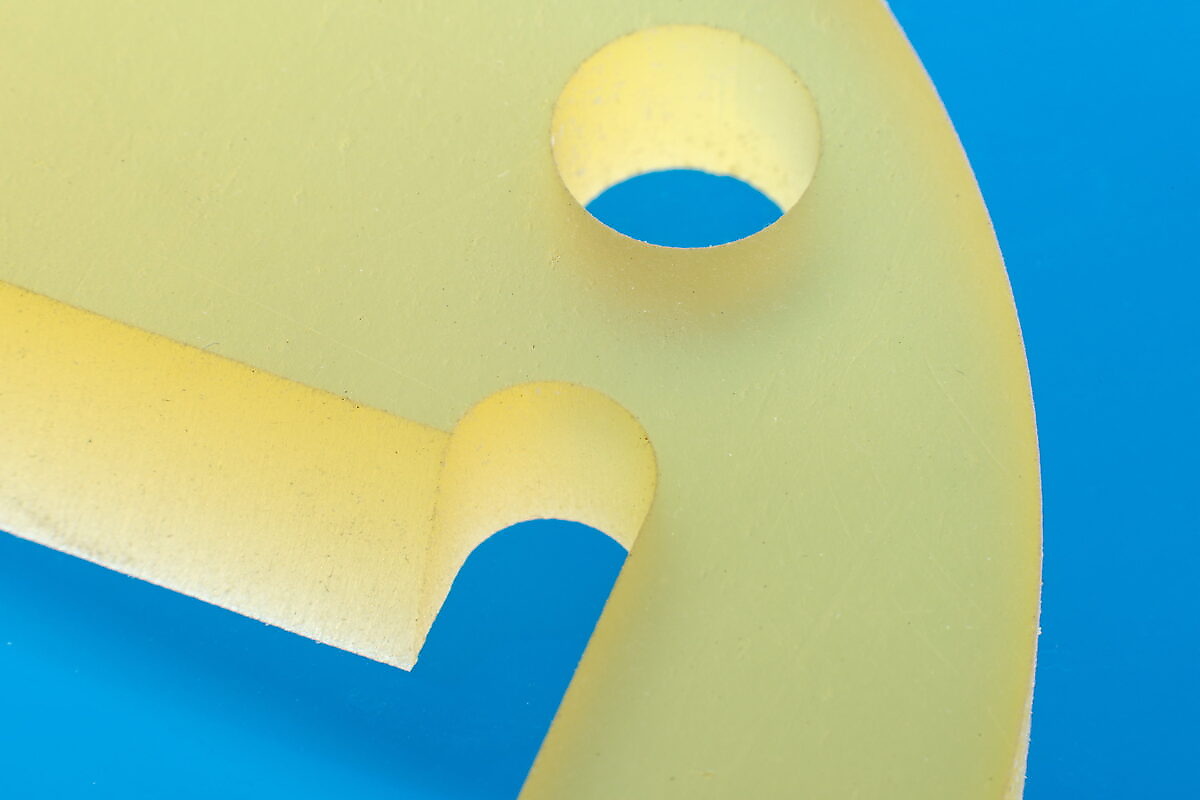
Pure waterjet cutting is proven beneficial compare to traditional methods
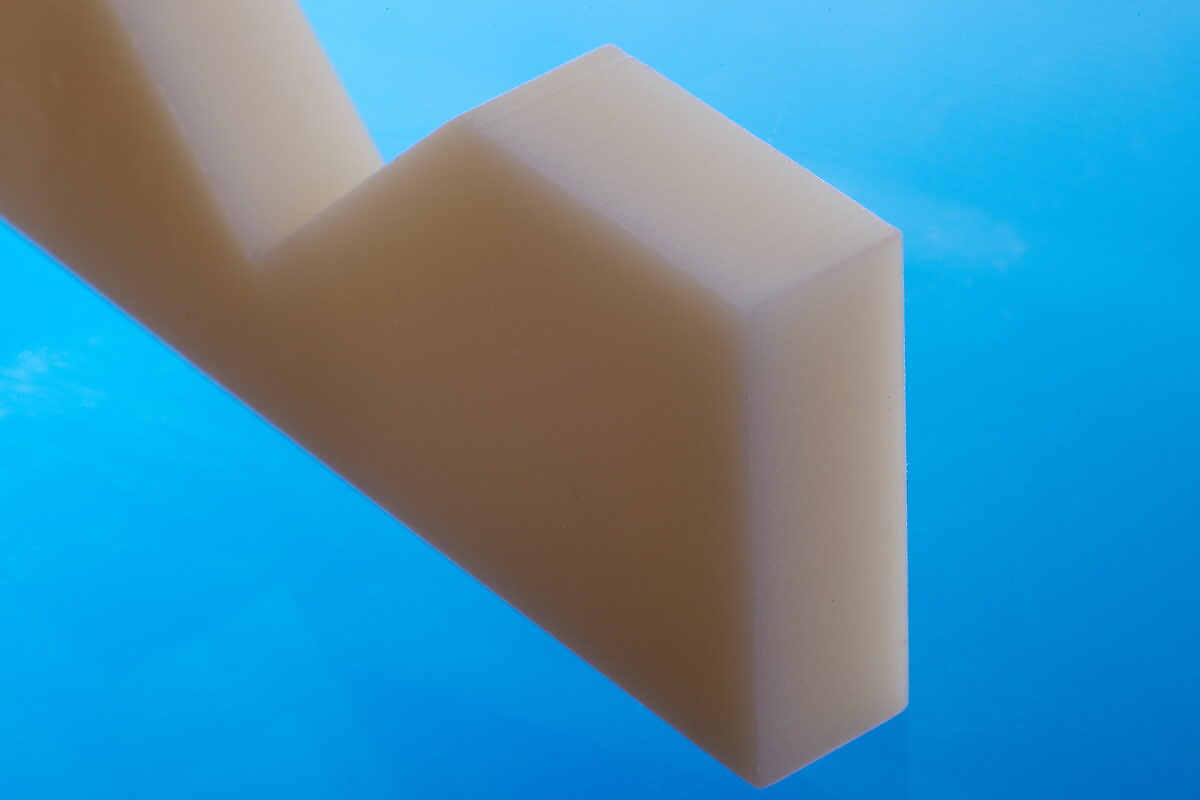
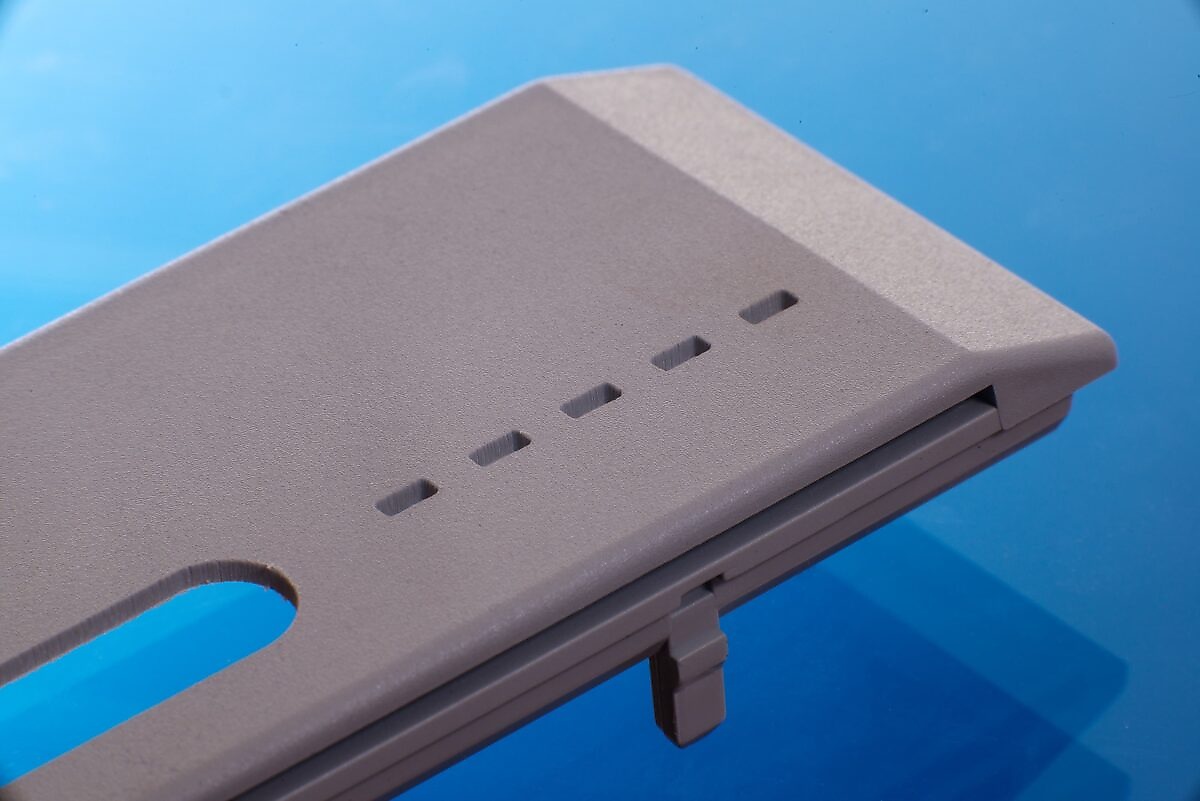


Benefits of using waterjet cutting for foam:
- High level of precision and intricate detail: The thin jet of water, often with a kerf of around 0.1 mm, allows complex shapes and detailed patterns to be created with meticulous accuracy.
- No impact from heat: As waterjet cutting is a cold method, neither the structure nor the properties of the material are affected by heat, which prevents deformation or melting.
- Efficient use of materials: The ability to use shared cutting lines and stack multiple sheets of material during cutting minimises material waste and increases production efficiency.
- Flexibility in production: A speedy conversion from drawing to finished product without the need for expensive tooling makes waterjet cutting ideal for both prototypes and small to medium-sized production batches.
Keywords explained
Foam waterjet cutting
Foam waterjet cutting is the process of cutting foam materials with an ultra high-pressure waterjet. It is often used when foam parts require clean contours, repeatable dimensions, and flexible shape cutting without mechanical blade pressure.
Foam cutting
Foam cutting refers to shaping foam materials into specific parts, inserts, profiles or components. Waterjet cutting can be a flexible alternative when the application requires detailed shapes, internal cut-outs or fast digital production.
Pure waterjet cutting
Pure waterjet cutting uses only high-pressure water, without abrasive. This method is usually suitable for foam because the material is soft enough to be cut cleanly without adding abrasive particles to the process.
Soft material cutting
Soft material cutting includes materials that can deform, compress or move during traditional mechanical cutting. Foam is a typical soft material where waterjet cutting can help reduce pressure on the material during the cutting process.
Foam inserts
Foam inserts are custom-cut foam parts used to protect, organize or position products inside packaging, tool cases, transport boxes or technical equipment. Waterjet cutting can create detailed cavities, contours and repeatable insert shapes.
Protective foam packaging
Protective foam packaging is used to cushion and protect products during storage, transport or handling. Waterjet cutting can produce custom foam packaging with shapes adapted to the product’s dimensions and protection needs.
Contour cutting
Contour cutting means cutting along a defined shape or outline. In foam applications, contour cutting is useful for custom inserts, profiles, seals, cushioning parts and technical foam components with irregular geometries.
Internal cut-outs
Internal cut-outs are holes or shapes cut inside a foam part. Waterjet cutting can create internal cut-outs for handles, product cavities, fittings, cable channels or positioning features without needing a physical cutting tool.
Foam nesting
Foam nesting means placing multiple foam parts efficiently on the same foam sheet before cutting. Good nesting can reduce waste and improve material use, especially when producing many inserts or repeated foam components.
Compression-free cutting
Compression-free cutting means reducing the pressure or deformation that can occur when soft foam is cut with a blade or mechanical tool. Waterjet cutting can help maintain the intended shape because the material is cut with a focused water stream rather than a physical blade.
Foam density
Foam density describes how compact or lightweight the foam material is. Density can affect cutting speed, edge quality, material handling and whether the foam needs extra support during cutting.
Foam thickness
Foam thickness is important when choosing the right cutting setup. Thicker foam may require adjusted water pressure, cutting speed and material support to achieve consistent results through the full material depth.
Edge definition
Edge definition describes how clean and accurate the cut edge appears after cutting. In foam waterjet cutting, edge definition depends on foam type, density, thickness, water pressure, cutting speed and how well the material is supported.
Repeatable foam production
Repeatable foam production means producing the same foam part with consistent shape, size and quality across multiple pieces. Digital waterjet cutting can support repeatability for foam inserts, packaging parts and technical foam components.
Custom foam parts
Custom foam parts are foam components produced for a specific product, function or design. Waterjet cutting is suitable for custom foam parts because the cutting path is controlled digitally and can be adapted without dedicated tooling.
FAQ
Can waterjet cutting be used for foam materials?
Why is pure waterjet cutting suitable for foam?
What types of foam can be cut with waterjet technology?
What is kerf in foam waterjet cutting?
Can waterjet cutting create detailed shapes in foam?
Can foam be cut without heat damage?
Can foam sheets be stacked during waterjet cutting?
How can waterjet cutting reduce waste in foam production?
What affects cutting quality when cutting foam?
What information should I provide for a foam cutting application?
Specify your foam cutting needs
To recommend the right waterjet solution for foam cutting, it is important to understand both the material and the production requirements. Foam materials can vary in density, thickness, flexibility and sensitivity, which means the cutting setup should be adapted to the specific application.
When contacting Water Jet Sweden, please share information about the foam type, sheet size, thickness, part geometry, tolerance requirements and expected production volume. If you already have drawings or CAD files, these can help us understand the required cutting paths, internal shapes, holes and level of detail.
It is also useful to describe your current production process and what you want to improve. This could include reducing waste, increasing cutting speed, improving edge quality, cutting stacked sheets or producing more complex foam inserts and technical foam parts.
With the right information, Water Jet Sweden can help evaluate the most suitable machine configuration, cutting head setup, software workflow and production solution for your foam cutting needs.
A narrow kerf makes it possible to cut detailed shapes, tight corners and custom foam inserts with better material utilization.