
Waterjet Cutting for the Defense Industry
Defense manufacturing places high demands on the production of components, materials and finished parts. Accuracy, repeatability and material integrity can all be important, particularly when working with advanced materials or components that need to perform reliably in demanding environments. Waterjet cutting gives manufacturers a cold cutting process that can handle many of these requirements without introducing heat into the material.
We work with companies that need more than a cutting machine. The right solution needs to fit the material, component size, tolerances and production method, while also being practical to operate and maintain over time. With our experience in waterjet technology, we help you find a setup that works for both individual components and ongoing production.

Built Around Demanding Production Requirements
Defence manufacturing can involve very different types of production, from prototypes and development work to series production, maintenance and replacement components. The materials can vary just as much, which makes flexibility an important part of the cutting process. Waterjet technology allows you to move between different materials and component requirements without relying on a thermal cutting method.
The process is also well suited to applications where material properties need to be preserved. Because waterjet cutting is a cold process, there is no heat-affected zone created during cutting, helping to avoid thermal changes, distortion and other effects that can occur with heat-based cutting methods.
Material Integrity Matters
Advanced materials are often selected because of the properties they bring to a component. High-strength steels, aluminium, titanium and composites can all require careful processing to maintain their intended performance. A cutting method that introduces heat can create additional considerations for the manufacturing process, especially when dimensional accuracy and material condition are important.
Waterjet cutting removes that thermal impact from the cutting process. This makes it a useful option for parts where you want to maintain the original material characteristics while achieving accurate and repeatable cuts. It can also help reduce the need for correction or additional processing after cutting, depending on the material and the required finished quality.
One Process for Many Defense Materials
A defense manufacturer may work with several material types in the same production environment. Waterjet technology can process high-strength steel, aluminium and titanium as well as carbon fibre, fibre-reinforced composites, ceramics, glass, rubber and plastics. Abrasive waterjet is used for harder materials, while pure waterjet is suitable for softer materials.
This material flexibility makes the technology useful across different parts of a manufacturing operation. Instead of selecting a different cutting method for every material, you can use waterjet technology as a flexible part of your production process, with the machine configuration and cutting parameters adapted to the application.
From Prototypes to Production and Maintenance
Defense-related manufacturing does not always follow one production pattern. Some components may be produced as prototypes during development, while others are manufactured repeatedly or supplied as replacement parts during maintenance. A cutting solution needs to work across these different situations without becoming unnecessarily complicated.
Waterjet cutting can support both development and production because the process can handle changes in material, geometry and part size. It is suitable for flat components and more complex shapes, giving manufacturers a practical way to move from initial development work towards repeatable production.
Complex Geometry with 5-Axis Cutting
Not every defense component can be produced with a conventional 2D cut. Angled edges, bevels and more complex geometries can require movement in several axes to achieve the intended shape directly in the cutting process. 5-axis waterjet technology gives you greater freedom when working with these types of components.
This can be particularly useful when secondary machining needs to be kept to a minimum. By producing more of the required geometry during cutting, you can simplify the manufacturing flow and reduce additional operations where the application allows it. The exact approach depends on the component, material, thickness and required tolerances.
Supporting Aerospace and Defense Manufacturing
Waterjet cutting is also relevant where aerospace and defense manufacturing overlap. Components can combine advanced metals and composite materials, with requirements for accuracy, repeatability and careful material processing. The cold cutting process allows these materials to be processed without the thermal impact associated with conventional heat-based cutting.
For manufacturers working across aerospace and defense applications, this flexibility can be valuable. The same waterjet technology can be configured for different materials, part sizes and geometries, giving production teams more options when requirements change.
A Practical Approach to Defense Manufacturing
For us, choosing a waterjet system is about more than specifying cutting speed or machine size. We look at what you are actually producing, which materials you work with, how often you produce the parts and what happens after cutting. That gives us a better basis for recommending a solution that fits your production rather than simply selling you a machine.
Our experience from working with demanding manufacturing environments also means we understand the importance of support after installation. Fast access to spare parts, original parts shipped the same day they are ordered, Swedish technology and world-leading components are part of how we support customers throughout the life of the machine.
Waterjet Technology for Your Defense Production
Whether you are developing a new component, producing established parts or looking for a more flexible way to process advanced materials, waterjet technology can be an important part of your manufacturing setup. The process combines cold cutting, material flexibility and high precision in one production method, making it suitable for a wide range of demanding applications.
We can help you evaluate the requirements of your production and determine what type of waterjet solution makes sense for your materials, component geometry and production volumes. The goal is a solution that works not only when the machine is installed, but throughout the years that follow.
Talk to us about your defence manufacturing requirements and let us look at the cutting process together with you.
Frequently Asked Questions
Why is waterjet cutting used in the defense industry?
What defense materials can be cut with waterjet technology?
How does waterjet cutting help preserve material properties?
Why is cold cutting important for defense manufacturing?
Can waterjet cutting be used for aerospace and defense components?
Is waterjet cutting suitable for armoured vehicle components?
Can waterjet cutting be used for naval defense applications?
How does waterjet cutting support the production of composite defense parts?
When is 5-axis waterjet cutting used in defense manufacturing?
Can waterjet cutting reduce secondary processing in defense production?
Explore Solutions for Your Business
Business
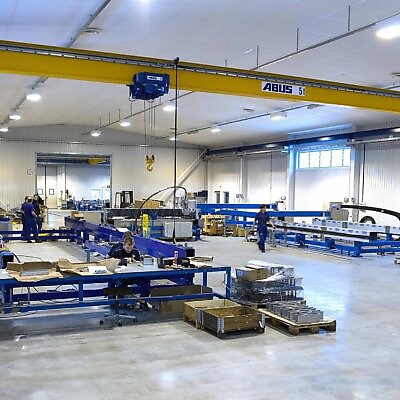
Machine Shops & Job Shops
Increase cutting versatility, shorten setup times, and take on complex, high-margin jobs with complete confidence. Whether you process single prototypes or small batches, our systems adapt quickly to changing customer demands.
Business
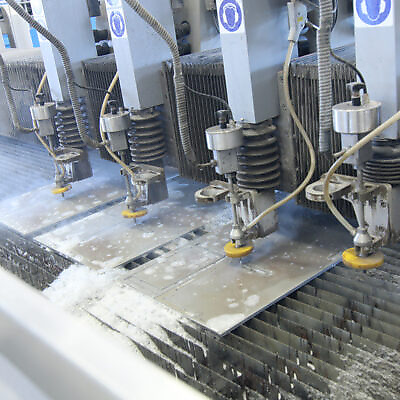
Contract manufacturers
Boost output with high-uptime systems engineered for rapid job transitions and multi-shift reliability. Lower your operating costs per part while delivering consistent quality on high-volume production runs.
Applications
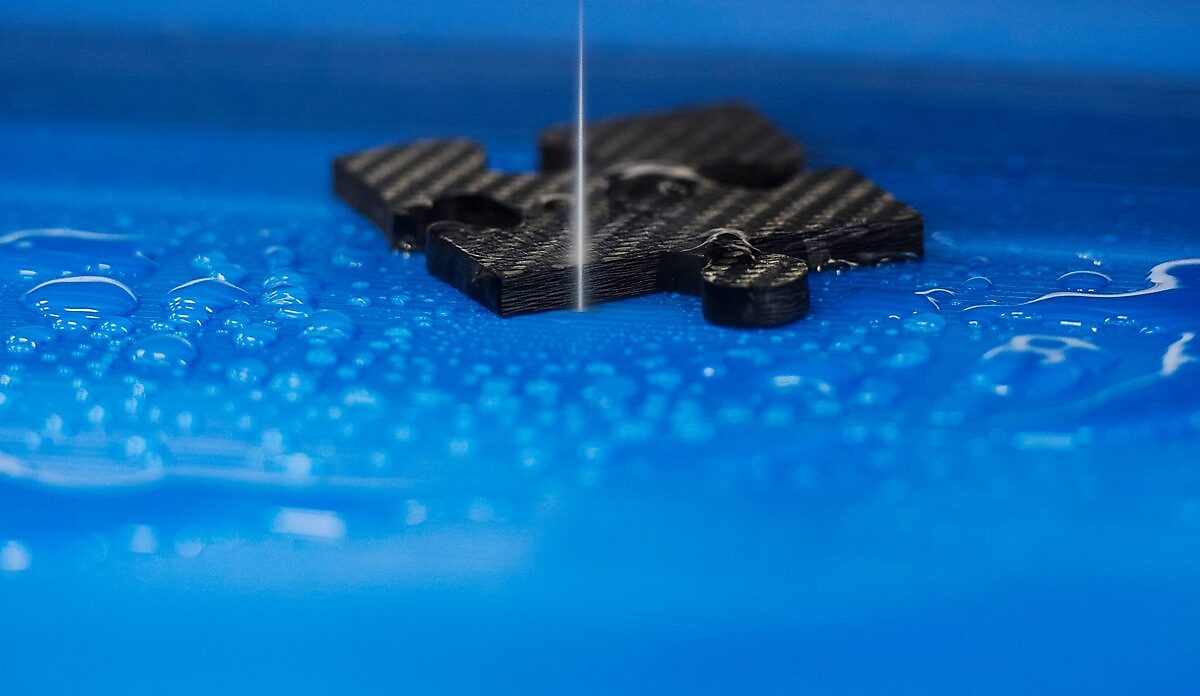
Composites
Related articles
News
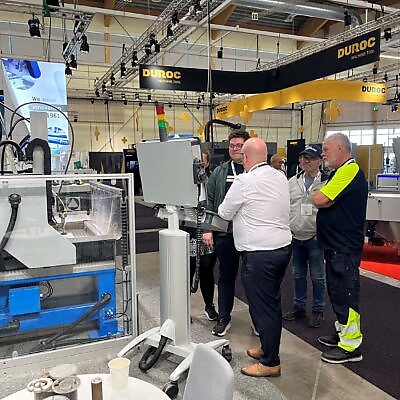
Wrapping up the Elmia Production Fairs – a good ending and a great beginning
Today, we’re summing up some valuable days at Elmia Machine Tools. Thank you to all visitors for many rewarding meetings and interesting projects.
News
Discover the latest in waterjet technology at Elmia Production Fairs 2026!
From May 19–22, the industry gathers as Elmia Production Fairs open their doors – a central meeting place for technological development, investments, and knowledge exchange within modern manufacturing industry. We are fully prepared to make your visit as interesting and valuable as possible.