
Waterjet Cutting for the Energy Industry
The energy industry covers a wide range of applications, from power generation and renewable energy to offshore operations and demanding industrial production. Components can vary significantly in size, material and geometry, while production requirements often leave little room for unnecessary rework or delays.
Waterjet cutting gives energy-sector manufacturers a flexible way to process metals, composites and other industrial materials. Because the process cuts without heat, it can be used when material integrity, dimensional accuracy and consistent results are important throughout production.

Built for Demanding Materials
Energy-related components are often made from materials selected for strength, durability, corrosion resistance or specific performance requirements. These can include stainless steel, high-strength steel, aluminium, titanium, copper, composites and a range of non-metallic materials.
Waterjet technology can handle this material variety within one cutting process. Abrasive waterjet cutting is suitable for hard and dense materials, while pure waterjet cutting can be used for softer materials such as rubber, plastics and certain insulation materials.
No Heat Needed for the Cutting Process
Many components used in the energy sector cannot simply be exposed to high temperatures during cutting. Thermal processes can cause distortion, hardening, microstructural changes or other effects that may require additional work before a part can move further into production.
Waterjet cutting removes material mechanically rather than thermally, so there is no heat-affected zone created by the cutting process. This can help maintain the original characteristics of the material and reduce the risk of heat-related rework, particularly when working with advanced or high-value materials.
From Power Generation to Renewable Energy
Waterjet cutting can be used across different areas of the energy industry, where the materials and component requirements can vary considerably. In power generation, the technology can support the production of components made from metals, alloys, and composites, while renewable energy applications may involve everything from structural parts to smaller precision components.
The same flexibility is useful in wind power, hydropower, solar energy, and energy storage applications. Whether you are developing a new component, producing a recurring part or making a replacement, waterjet cutting can be adapted to the material, geometry, and production volume.
Cutting for Offshore and Oil & Gas
Offshore and oil and gas environments place demanding requirements on the components used in production and maintenance. Materials may need to withstand corrosion, mechanical loads and challenging operating conditions, making controlled processing important from the start.
Waterjet cutting can process stainless steel, high-strength metals, rubber, plastics and other materials used in these applications. Since the cutting process does not introduce heat into the workpiece, it can be useful when maintaining material characteristics and avoiding heat-related effects are part of the production requirements.
Complex Components with 5-Axis Cutting
Not every energy component can be produced with a straightforward 2D cut. Angled surfaces, bevels and complex geometries may require the cutting head to approach the material from different directions, particularly when working with formed or advanced components.
5-axis waterjet cutting provides the flexibility to work with these geometries directly. By producing more complex cuts in the machine, it can reduce the amount of manual finishing required and make it easier to maintain consistent results across a production run.
Production, Prototypes and Replacement Parts
Energy-sector manufacturing is not always about high-volume production. There are also prototypes, development parts, modifications, and replacement components where flexibility and lead time can be just as important as production speed.
Waterjet cutting does not require expensive dedicated tooling for every new geometry, making it practical for one-off parts and shorter production runs. The same machine can then be used for recurring production, giving manufacturers a way to handle different types of work without changing their basic cutting process.
Less Rework, More Control
What happens after cutting matters just as much as the cut itself. If a component needs extensive grinding, machining, or correction before it can be used, additional processing adds time and can make production planning more difficult.
For suitable applications, waterjet cutting can reduce these secondary operations by producing accurate parts without thermal distortion. This can support shorter production flows and give manufacturers greater control over the path from raw material to finished component.

Waterjet Cutting for Critical Energy Applications
Energy production depends on equipment and components that need to perform reliably in their intended application. That puts focus on material choice, dimensional accuracy and consistent manufacturing, particularly when components are difficult to replace or expensive to produce.
Waterjet cutting provides a controlled way to process many of these materials without heat. It can support both established production processes and new applications where manufacturers need to combine material flexibility with precise cutting.
A Waterjet Solution for Your Energy Production
Every energy application has its own requirements, from material and thickness to component geometry, production volume, and required accuracy. The right waterjet system should therefore be matched to the work you actually need to produce.
We are specialists in waterjet cutting and can help you evaluate the right solution for your application. Whether you are looking at high-capacity production, difficult materials or more flexible in-house cutting, we can discuss your requirements and the options available.
Talk to us about your energy industry application and find out how waterjet cutting can fit into your production.
FAQ – Waterjet Cutting for the Energy Industry
Why is waterjet cutting used in the energy industry?
What energy industry materials can be cut with waterjet technology?
How does waterjet cutting help preserve material properties?
Why is cold cutting important for energy industry components?
Can waterjet cutting be used for renewable energy applications?
Is waterjet cutting suitable for offshore and oil and gas applications?
How does waterjet cutting support turbine and power generation components?
When is 5-axis waterjet cutting used in the energy industry?
Can waterjet cutting reduce secondary processing in energy production?
How can waterjet cutting support maintenance, repair and replacement parts?
Explore Solutions for Your Business
Business
Metal service centers
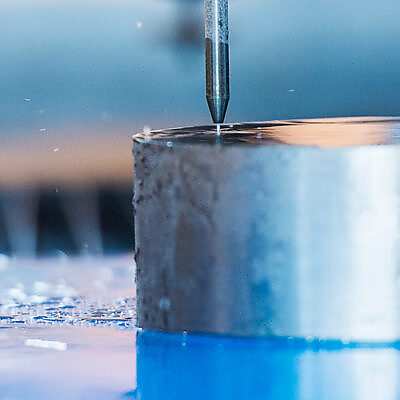
Process thick plates, stainless steel, and varied alloys with zero heat-affected zones, preserving prime material quality and edge integrity. Expand your processing services without compromising accuracy.
Business
Contract manufacturers
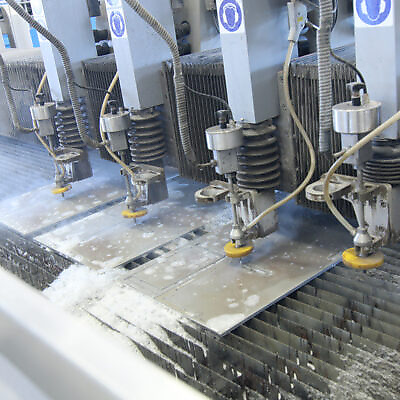
Boost output with high-uptime systems engineered for rapid job transitions and multi-shift reliability. Lower your operating costs per part while delivering consistent quality on high-volume production runs.
Business
Machine Shops & Job Shops
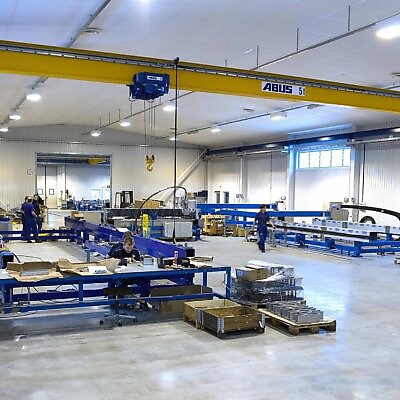
Increase cutting versatility, shorten setup times, and take on complex, high-margin jobs with complete confidence. Whether you process single prototypes or small batches, our systems adapt quickly to changing customer demands.