
Waterjet Cutting for Aerospace
Aerospace manufacturing leaves little room for error. Components need to meet demanding requirements for precision, repeatability, and material performance. At the same time, many aerospace materials are expensive and difficult to machine. Waterjet cutting gives you a precise way to cut these materials without adding heat to the process.
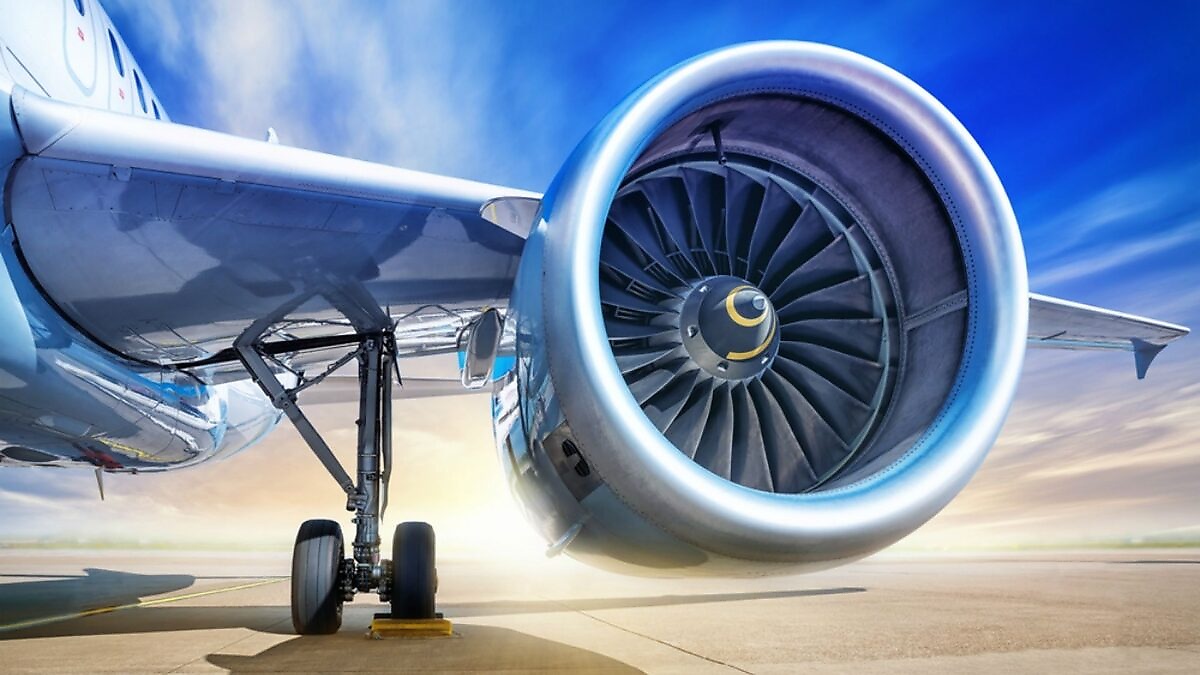
For aerospace manufacturers, this means fewer concerns about heat-affected zones, material distortion and unwanted changes to the material. It also means one cutting technology can handle a wide range of materials, component sizes and production volumes.
Whether you are producing aircraft components, aerospace structures, prototypes or replacement parts, waterjet cutting can give you the flexibility and precision that your production needs.
Precision Without Heat
Waterjet cutting is a cold-cutting process. A high-pressure water jet, with or without abrasive, removes material without introducing heat into the workpiece. This is particularly important when cutting aerospace components where material properties and dimensional accuracy matter. Unlike thermal cutting processes, waterjet cutting does not create a heat-affected zone (HAZ), helping to avoid thermal distortion and changes to the material’s microstructure.
For demanding aerospace applications, that can mean less secondary processing and more consistent results.
Cutting Advanced Aerospace Materials
Aerospace manufacturing involves a wide range of materials, from aluminum and titanium to advanced composites and superalloys. With abrasive waterjet cutting, you can process materials such as:
- Titanium and Nitinol
- High-strength aluminum alloys such as 7075 and 2024
- Superalloys such as Inconel, Hastelloy and Waspaloy
- Carbon fibre and other composite materials
- CFRP and GFRP
- Advanced plastics such as PEEK and Ultem®
Because waterjet cutting is a cold process, heat-treated and brittle materials can also be processed without the thermal effects associated with conventional cutting methods. The right cutting setup depends on the material, thickness, required tolerance, and application. We can help you find the right solution for your specific requirements.
5-axis Waterjet Cutting for Complex Aerospace Components
Not every aerospace component can be produced with a standard 2D cut. With 5-axis waterjet cutting, you can produce angled cuts, bevels and complex contours in different planes. This makes the technology suitable for 3D components, formed parts, moulded composite parts, and other advanced geometries.
Water Jet Sweden offers systems with a cutting angle range of ±0–120° for full 3D machining. Cutting complex geometries in fewer setups can improve accuracy and reduce the risk of handling errors. It can also reduce the need to move the component between different machines or processes.
Repeatable Results from Prototype to Production
Aerospace production often involves both prototypes and relatively small production runs. Designs change, materials are evaluated, and new components need to be tested.
Waterjet cutting gives you the flexibility to move from CAD model to physical component without investing in dedicated cutting tools or fixtures. With CNC-controlled cutting, previously produced jobs can be reproduced accurately. This makes waterjet cutting suitable for everything from prototype development and design iterations to repeat production of aerospace parts.
Efficient CAD/CAM software also helps you make better use of expensive materials by nesting components to reduce material waste.
Waterjet Cutting for Aircraft Components
Aircraft components need to perform reliably under demanding conditions. Waterjet cutting can be used for a wide range of applications, including structural components, engine-related parts, brackets, ducts, and other precision components.
The technology is particularly useful when the material must retain its original properties after cutting. For manufacturers working with high-value materials, avoiding unnecessary scrap and secondary processing can also have a direct impact on production costs.
Supporting Quality and Traceability
Aerospace manufacturing requires controlled processes, consistent results, and thorough documentation. Modern waterjet cutting systems can support digital production environments by recording process data such as pressure, nozzle wear, flow rate and file versions.
Combined with CNC control and repeatable cutting parameters, this provides a solid basis for traceable and consistent production. Waterjet cutting systems can also integrate with modern CAD/CAM workflows. Software such as IGEMS can work with platforms including SolidWorks and Fusion 360, allowing job files to move efficiently from design to production.
Lower Waste and Efficient Production
Precision is not the only benefit of waterjet cutting. A single waterjet cutting machine can process a wide range of materials, reducing the need for different cutting technologies. Narrow cuts and efficient nesting help minimize material waste, which is particularly valuable when working with expensive materials such as titanium and superalloys.
Because the process does not generate heat, it also produces no thermal fumes or heat-related distortion during cutting. Water and, in some cases, abrasive can be recycled as part of the production process.
For aerospace manufacturers, this combines material flexibility with efficient use of resources.
A Waterjet Solution for Your Aerospace Production
Every aerospace application has its own requirements. Material, thickness, geometry, tolerance, and production volume all affect the right cutting solution.
Looking for a waterjet solution for aerospace manufacturing? Get in touch with our team to discuss your application, materials, and production requirements. We are specialists in waterjet cutting and can help you find a machine configuration that fits your production.
Frequently Asked Questions
Why is waterjet cutting used in aerospace manufacturing?
What aerospace materials can be cut with waterjet technology?
How does waterjet cutting help preserve material properties?
Why is cold cutting important for aircraft components?
Can waterjet cutting be used for titanium aerospace parts?
Is waterjet cutting suitable for aerospace composites?
How does waterjet cutting support the production of complex aerospace components?
When is 5-axis waterjet cutting used in aerospace manufacturing?
Can waterjet cutting be used for aerospace prototypes and short production runs?
How can waterjet cutting support aerospace MRO and replacement parts?
Explore Solutions for Your Business
If you are looking for a waterjet system for your production environment, learn more about our solutions for:
Business
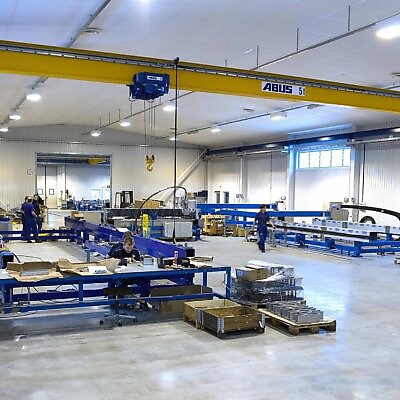
Machine Shops & Job Shops
Increase cutting versatility, shorten setup times, and take on complex, high-margin jobs with complete confidence. Whether you process single prototypes or small batches, our systems adapt quickly to changing customer demands.
Business
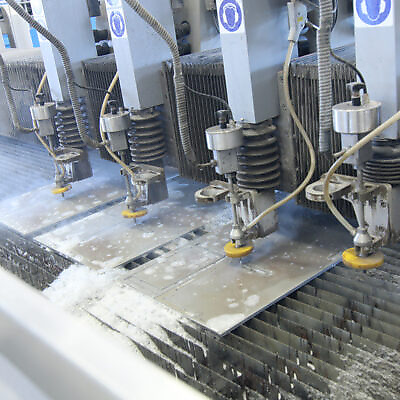
Contract manufacturers
Boost output with high-uptime systems engineered for rapid job transitions and multi-shift reliability. Lower your operating costs per part while delivering consistent quality on high-volume production runs.
Business
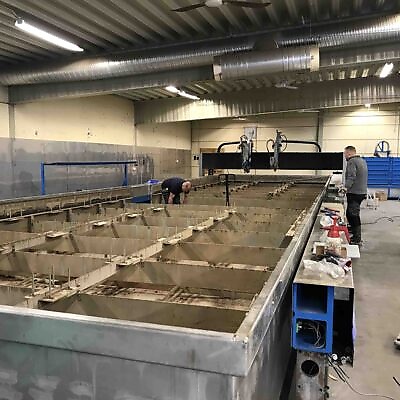
Industrial fabricators
Combine heavy-duty cutting capacity with high precision to streamline your assembly workflows and eliminate time-consuming secondary finishing steps. Built tough for daily industrial operation.