
Metal service centers
Process thick plates, stainless steel, and varied alloys with zero heat-affected zones, preserving prime material quality and edge integrity. Expand your processing services without compromising accuracy.
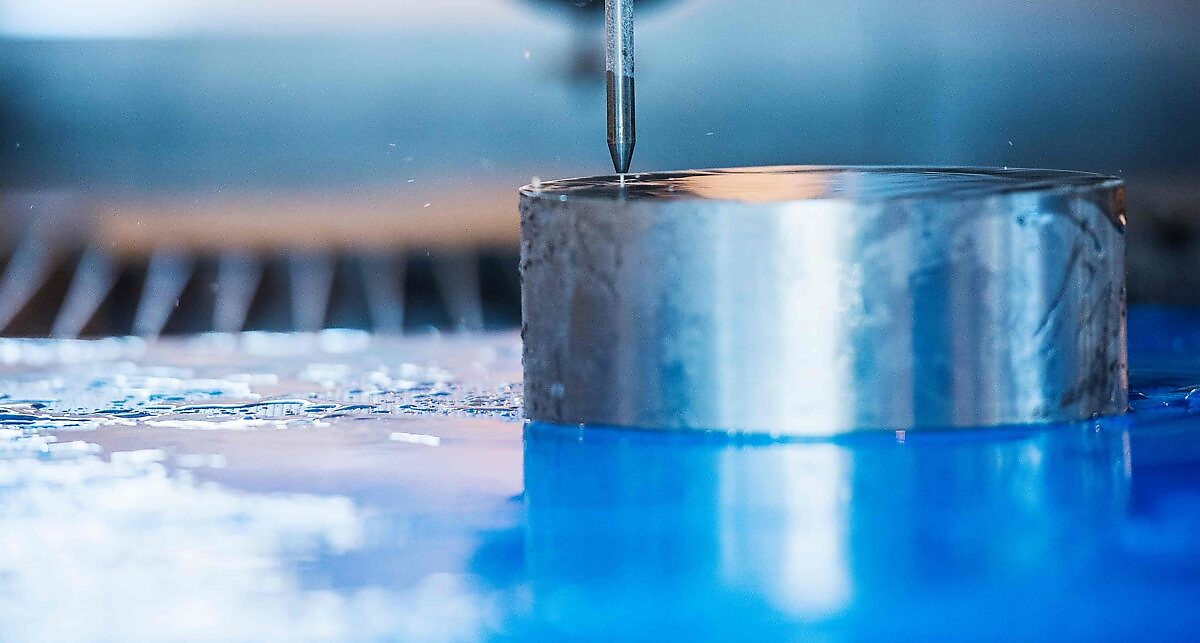
Add Value to Stocked Material, Increase Margins, and Turn Material into Customer-Ready Parts
For metal service centers, stockholders, and steel distributors, relying solely on raw material sales creates intense price competition and tight profit margins. Customers increasingly demand more than standard plates, bars, and sheets—they expect cut-to-size blanks, custom profiles, and production-ready components delivered with minimal turnaround time.
Relying on external subcontractors for custom cutting introduces high supplier markups, unpredictable lead times, and potential quality disputes. Furthermore, traditional cutting methods like sawing, plasma, or laser struggle when handling thick plates, reflective non-ferrous metals, or high-value heat-sensitive alloys.
Integrating an in-house waterjet cutting system allows metal service centers to move up the value chain. By processing stocked material directly into custom blanks and near-net shapes without thermal damage or specialized tooling, service centers can capture higher margins, expand their customer base, and provide faster, more reliable delivery.
Why Metal Service Centers Invest in Waterjet Cutting
Modern metal distributors face growing customer requests for shorter lead times and higher precision. Waterjet technology provides an all-in-one cold-cutting process that addresses these market demands while maximizing floor efficiency.
- Turn Raw Stock into High-Value Blanks: Supply customer-ready profiles, intricate cut-outs, and custom blanks straight from your existing inventory.
- Eliminate Thermal Distortion: As a pure cold-cutting method, waterjet processing creates zero heat-affected zones (HAZ), eliminating structural hardening, material warping, and edge discoloration.
- Cut Any Metal or Thickness: Process carbon steel, stainless steel, aluminum, titanium, copper, brass, tool steel, hardened steel, and exotic alloys on a single machine setup.
- Tool-Free Setup for Varied Orders: Switch between customer CAD files, material types, and plate thicknesses in minutes without buying or changing physical tooling.
Deliver Shorter Lead Times and Faster Response
When customers need urgent replacement parts, test samples, or modified plate dimensions, waiting for external cutting suppliers risks lost orders. Bringing waterjet capacity in-house delivers immediate operational control.
- Same-Day Processing: Import digital CAD files and begin cutting immediately after a customer order is placed.
- Fast Handling of Drawing Changes: Update digital cutting paths instantly when customer designs change, eliminating lost setup time or scrapped custom tooling.
- Dependable Delivery Schedules: Eliminate external supplier queues and logistics bottlenecks, ensuring delivery reliability for urgent customer requests.
Comprehensive Cutting Capability Across All Stocked Metals
Metal service centers manage diverse inventories with varying mechanical properties. Waterjet Sweden systems handle hard, reflective, dense, and soft metals with ease using two primary cutting methods:
Abrasive Waterjet Cutting
By injecting natural garnet abrasive into a high-pressure water stream, abrasive waterjet systems rapidly slice through dense metals and hard alloys, including:
- Structural & Alloy Steels: Carbon steel, stainless steel, tool steel, armor plate, and hardened alloys.
- Non-Ferrous & Reflective Metals: Aluminum, titanium, copper, brass, bronze, and nickel alloys.
Pure Waterjet Cutting
For soft non-metallic stock often distributed alongside metals, a pure high-pressure water stream delivers rapid, precise cuts without abrasives:
- Rubber
- Foam
- Gaskets
- thin plastics
- Insulation
- Protective wrapping materials
Maximizing Material Utilization on High-Value Alloys
Scrap and offcuts directly reduce profitability, especially when stocking expensive metals like titanium, stainless steel, nickel alloys, and copper. Waterjet cutting maximizes sheet and plate yield:
- Narrow Kerf Width: The fine cutting stream removes minimal material, allowing parts to be placed extremely close together on the raw plate.
- Advanced CAD/CAM Nesting: Intelligent nesting software packs complex shapes, small components, and large profiles onto single plates to minimize offcut waste.
- High Scrap Value: Because waterjet cutting produces clean offcuts without heat damage or chemical contamination, leftover material retains its full recycling or resale value.
Cold-Cutting Performance for Advanced Alloys and Thick Plates
Thermal cutting technologies like laser, plasma, and flame cutting introduce high heat into the material, altering metallurgical properties along the cut edge. This presents significant challenges for metal service centers supplying high-grade materials:
- Zero Heat-Affected Zone (HAZ): Waterjet cutting preserves original grain structure, hardness, and corrosion resistance across all metal grades.
- No Edge Hardening or Micro-Cracking: Customers receive blanks that are immediately ready for secondary CNC milling, drilling, tapping, or welding without requiring post-cut edge grinding.
- Superior Thick-Plate Capability: While lasers struggle with thick plates and plasma produces significant taper and slag, abrasive waterjets cut thick metal plates smoothly with controlled edge quality.
Complementing Existing Workshop Capabilities
A waterjet system integrates into your existing material handling, sawing, and thermal cutting setup:
The Value-Added Service Workflow
- Inventory Stock Selection: Retrieve standard sheets, heavy plates, or blocks directly from your warehouse racks.
- Waterjet Cold Cutting: Rapidly execute complex outer contours, weight-reduction pockets, slots, and internal cut-outs.
- Customer Delivery: Ship ready-to-use custom blanks or parts directly to the customer for immediate assembly or final precision machining.
How Waterjet Compares to Other Cutting Methods
- Versus Sawing: While saws are limited to straight line-of-sight cuts, waterjet systems cut complex 2D shapes, internal holes, curves, and angles in a single pass.
- Versus Laser & Plasma: Waterjet cuts reflective metals (copper, brass, aluminum) and thick plates without heat distortion, melt slag, or surface discoloration.
Configurable Edge Quality and Precision Control
Edge quality and cutting speed can be matched precisely to customer tolerances, downstream requirements, and budget constraints:
- Raw / Fast Separation Cut: Rapid speed for basic material sizing, rough stock removal, and blanks intended for heavy secondary machining.
- Standard Industrial Cut: The optimal balance of speed and edge finish for general structural components, brackets, and standard cut-to-size plate orders.
- Fine / Precision Cut: Smooth edge surface with minimal taper, often eliminating post-processing for architectural, marine, or precision equipment components.
Selecting the Right Machine Setup for Your Inventory Format
Metal service centers require robust equipment capable of handling heavy raw stock and varied order volumes:
- Large Working Areas & Heavy Loading Tables: Accommodate full-sized mill plates and heavy sheet formats directly from the warehouse crane or forklift.
- Multiple Cutting Heads: Multiply output on multi-part orders by running two or more cutting heads simultaneously on a single gantry.
- Dual Working Zones (Pendulum Cutting): Cut continuously in Zone A while unloading finished parts and loading new raw plates in Zone B.
- Bevel & 5-Axis Cutting: Execute weld preparation bevels (V, Y, K, and X joints) directly on heavy plate edges during the initial cutting pass.
Higher Margins and Improved Business Performance
Adding in-house waterjet cutting strengthens a metal distributor’s financial position:
- Increase Revenue Per Ton: Selling cut-to-size blanks and complex components commands significantly higher margins than selling raw stock.
- Reduce Outsourcing Costs: Keep custom cutting revenues internal rather than paying third-party cutting subcontractors.
- Strengthen Customer Retention: Serve as a one-stop supplier for both raw material and custom component processing.
- Minimize Waste: Turn remanent plates and offcuts into smaller standard blanks or custom brackets instead of scrapping them.
Partnering with Water Jet Sweden
Choosing the right waterjet platform requires an equipment partner experienced in industrial metal processing workflows.
At Water Jet Sweden, we help metal service centers select optimal machine sizes, pump capacities, and material handling systems through test cutting, custom engineering, and software integration. Built with Swedish engineering, our long-lasting machines are supported by direct technical assistance, fast-available original spare parts, and comprehensive service agreements to maintain maximum uptime.