
Plastic foam and insulation
Waterjet cutting is a highly efficient and precise method for working with plastic foam and insulation materials. By using a high-pressure water jet, this technique can cut through different densities and thicknesses of foam materials without the need for abrasives. This results in clean kerfs with minimal impact on the material, which is particularly beneficial for sensitive materials such as plastic foam and cellular rubber.
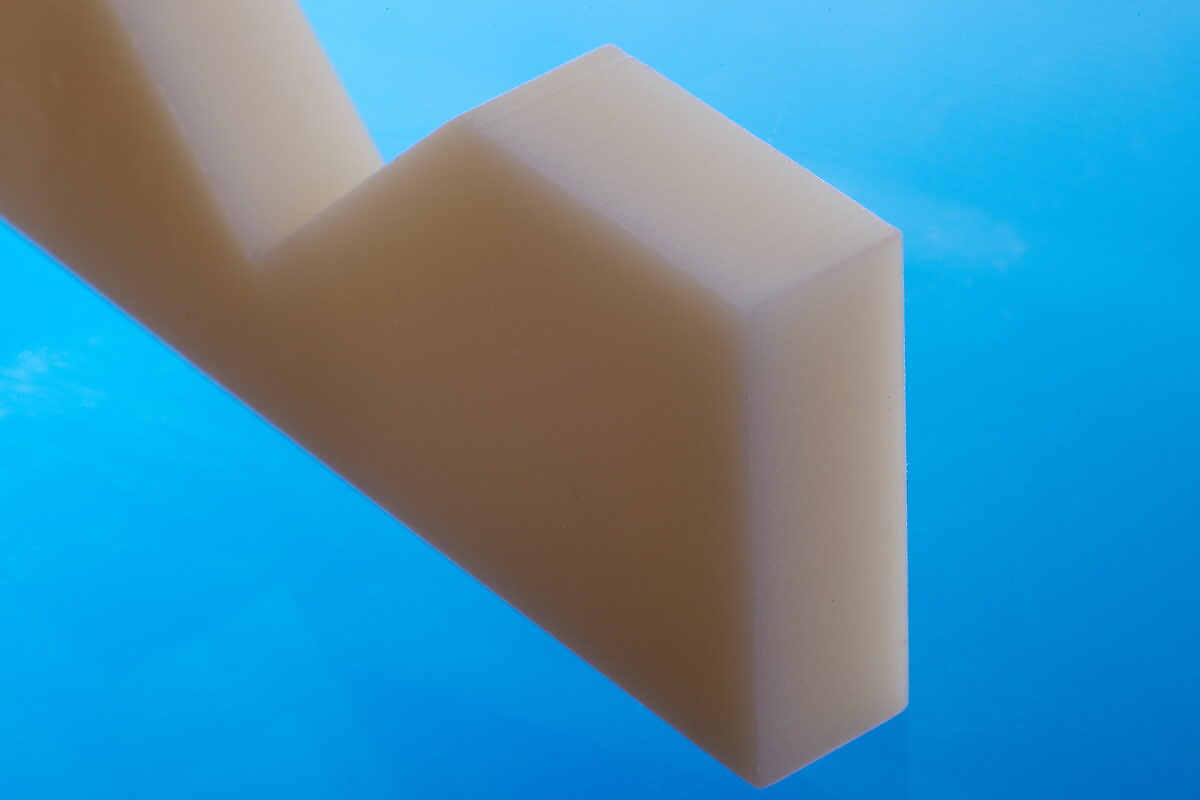
Pure waterjet cutting is proven beneficial compare to traditional methods

Benefits of using waterjet cutting for rubber, plastic and soft materials:
- High level of precision: Waterjet cutting allows precise and complex cuts, which is ideal for detailed shapes and patterns.
- No impact from heat: As the method does not generate heat, it prevents the risk of melting or deformation of the material, thus preserving its original properties.
- Flexibility: The method is suitable for both thin and thick materials, which makes it useful for a wide variety of applications in the insulation and packaging sector.
- Environmentally friendly process: Waterjet cutting does not produce any harmful emissions or dust, making for a cleaner working environment and reduced environmental impact.
Keywords explained
Plastic foam waterjet cutting
Plastic foam waterjet cutting is the process of cutting plastic-based foam materials with an ultra high-pressure waterjet. It is used when foam sheets, insulation panels or technical foam parts require clean contours, narrow cuts and low material impact.
Plastic foam
Plastic foam is a lightweight material made from plastic polymers with a cellular structure. It can be used for insulation, packaging, cushioning, acoustic control, technical components and industrial applications.
Insulation foam
Insulation foam is foam material used to reduce heat transfer, sound transmission or vibration. Waterjet cutting can be used to create custom insulation parts, panels, openings and installation-ready shapes.
Foam insulation panels
Foam insulation panels are sheet-based insulation materials used in buildings, technical systems, vehicles, packaging or industrial applications. Waterjet cutting can help produce panels with custom dimensions, holes, cut-outs and detailed shapes.
Thermal insulation
Thermal insulation is used to reduce heat transfer between surfaces or spaces. When cutting thermal insulation materials, it is important to avoid melting, deformation or damage that could affect the material’s insulating function.
Acoustic insulation
Acoustic insulation is used to reduce sound, vibration or noise transmission. Waterjet cutting can be used to shape acoustic foam and insulation parts for panels, inserts, linings and technical applications.
Plastic foam cutting machine
A plastic foam cutting machine is used to cut plastic foam materials into specific shapes or components. A pure waterjet system can be a flexible industrial option when companies need to cut different foam types, sheet sizes, thicknesses or geometries.
Pure waterjet for insulation materials
Pure waterjet cutting uses only high-pressure water, without abrasive. This is often suitable for plastic foam and insulation materials because they are usually soft enough to be cut without abrasive particles.
Heat-sensitive foam materials
Heat-sensitive foam materials can melt, burn, shrink or deform when exposed to heat. Since waterjet cutting is a cold cutting process, it can help preserve the shape and properties of plastic foam and insulation materials.
Clean cut insulation parts
Clean cut insulation parts are components with accurate contours and consistent edges. This is important when insulation pieces need to fit around pipes, panels, technical equipment, housings or installation areas.
Sheet-based foam production
Sheet-based foam production involves cutting parts from flat sheets or panels of plastic foam. Waterjet cutting can support this process by using digital cutting paths, efficient nesting and repeatable part production.
Insulation cut-outs
Insulation cut-outs are holes, openings or internal shapes cut into insulation material. They can be needed for pipes, cables, fittings, ventilation, technical installations or product-specific designs.
Material efficiency in insulation cutting
Material efficiency means using as much of the available foam or insulation sheet as possible. With digital cutting paths and smart nesting, waterjet cutting can help reduce offcuts and improve material utilization.
Stack cutting insulation foam
Stack cutting insulation foam means cutting several layers of foam or insulation material at the same time. This can improve productivity when producing repeated parts, depending on the material type, thickness and accuracy requirements.
Industrial insulation components
Industrial insulation components are custom-cut parts used in technical or industrial environments. They may be used for thermal insulation, acoustic control, vibration reduction, protective layers or equipment-specific insulation.
Specify your plastic foam cutting needs
To recommend the right waterjet solution for plastic foam and insulation cutting, it is important to understand both the material and the production requirements. Plastic foam and insulation materials can vary in density, thickness, flexibility, structure and sensitivity, which means the cutting setup should be adapted to the specific application.
When contacting Water Jet Sweden, please share information about the material type, sheet size, thickness, density, part geometry, tolerance requirements and expected production volume. If you already have drawings or CAD files, these can help us understand the required cutting paths, internal shapes, holes and level of detail.
It is also useful to describe your current production process and what you want to improve. This could include reducing waste, increasing cutting speed, improving edge quality, cutting stacked sheets, producing more complex foam inserts or improving the handling of insulation panels and technical foam parts.
With the right information, Water Jet Sweden can help evaluate the most suitable machine configuration, cutting head setup, software workflow and production solution for your plastic foam and insulation cutting needs.