
Waterjet Cutting for Metal Fabrication
Metal fabrication often means working with different materials, thicknesses, and customer requirements. You may need to produce a single custom part one day and a recurring production batch the next.

Waterjet cutting gives you the flexibility to handle both. Because the process cuts without adding heat, it can produce precise parts without heat-affected zones or thermal distortion. The same cutting technology can also be used for a wide range of metals, making it a flexible addition to your production.
Whether you are cutting sheet metal, thick plate or custom components, waterjet cutting can help you produce accurate parts while reducing the need for secondary processing.
Precision Without Heat that Affects the Metal
Waterjet cutting is a cold-cutting process. A high-pressure water jet, with or without abrasive, removes material without introducing heat into the workpiece. This is important in metal fabrication because heat can affect the structure, hardness, and shape of the material. Thermal cutting methods can create heat-affected zones, distortion, or changes in material properties.
Waterjet cutting avoids these heat-related effects. This helps preserve the original material properties and can reduce the need for grinding, machining, or correction after cutting. For fabrication companies, that means a more flexible cutting process with less work needed after the cut.
Cutting a Wide Range of Metals
Metal fabrication rarely involves just one material. Waterjet technology can cut a wide range of metals, including:
- Stainless steel
- Carbon steel
- Aluminium
- Titanium
- Copper
- Brass
- Other non-ferrous metals
Abrasive waterjet cutting is particularly useful for hard or thick metals where precision and edge quality are important. Instead of relying on different cutting processes for different materials, one waterjet cutting system can handle a broad range of fabrication requirements.
Waterjet Cutting for Sheet Metal and Thick Plate
From thinner sheets to thick metal plates, waterjet cutting can be adapted to different production requirements. The process does not introduce thermal stress into the material, making it suitable for applications where distortion needs to be avoided.
This can be valuable when producing heavy-duty parts, structural components, and custom metal parts where dimensional accuracy matters. The right cutting setup depends on the material, thickness, required cut quality, and production requirements.
Waterjet Cutting for Stainless Steel and Aluminum
Waterjet cutting is well suited to both stainless steel and aluminum fabrication. For stainless steel, cold cutting avoids thermal discoloration and heat-affected zones. For aluminum, the process produces precise cuts without introducing heat into the material. This makes waterjet cutting a practical option when you need clean, accurate parts and want to minimize heat-related effects.
Custom Metal Parts and Prototypes
Metal fabrication often means producing parts that are unique to a specific customer or application. Waterjet cutting is well suited to custom metal parts and prototypes because it does not require expensive dedicated tooling. This makes it easier to produce one-off components, short runs, and design iterations.
You can move from a digital drawing to a physical part without investing in dedicated cutting tools or fixtures. That flexibility makes waterjet cutting useful for fabrication companies that need to respond quickly to customer requests and produce parts in different materials and thicknesses.
Efficient Production from Cutting to Finished Part
A precise cut can reduce the amount of work required afterwards. Because waterjet cutting does not create heat distortion, parts may require less grinding, machining or correction after cutting. This can help reduce production time and simplify the workflow from raw material to finished component.
For fabrication companies, less secondary processing can also mean more predictable production and easier planning.
Better Material Utilization
Material costs are an important part of metal fabrication, particularly when working with expensive metals. Waterjet cutting can improve material utilization through precise cutting paths and efficient nesting. Parts can be positioned efficiently on the material surface to reduce scrap.
Better material utilization can help lower costs and reduce waste while making more of the material you have already paid for.
Waterjet Cutting Compared with Laser and Plasma
Laser and plasma cutting are widely used in metal fabrication and can be effective for many applications. Both processes use heat to cut the material.
Waterjet cutting works differently. As a cold cutting process, it does not create a heat-affected zone or introduce thermal distortion into the material. This can make waterjet cutting particularly useful when material integrity, precision, thick materials, or mixed-material production are important.
The right cutting technology depends on your application, material, thickness, and production requirements. Waterjet cutting can be a valuable complement to other cutting technologies when you need the advantages of a cold cutting process.
A Flexible Cutting Solution for Metal Fabrication
A waterjet cutting system can be particularly useful for fabrication companies that work with different materials, produce custom parts, or want greater control over their cutting capacity. It can support one-off parts, prototypes, short production runs, and recurring production while handling a wide range of metals.
For companies that currently outsource cutting, bringing waterjet cutting in-house can also provide greater control over lead times and production planning.
A Waterjet Solution for Your Metal Fabrication
Every fabrication operation has its own requirements. Material, thickness, component geometry, production volume and required precision all affect the right cutting solution.
Looking for a more flexible way to cut metal? Get in touch with our team to discuss your materials, components, and production requirements. We are specialists in waterjet cutting and can help you find a machine configuration that fits your production.
Frequently Asked Questions
Why is waterjet cutting used in metal fabrication?
What metals can be cut with waterjet technology?
Why is cold cutting important in metal fabrication?
Can waterjet cutting be used for stainless steel and aluminium fabrication?
Is waterjet cutting suitable for thick metal plates?
How does waterjet cutting compare to laser or plasma cutting in metal fabrication?
Can waterjet cutting reduce secondary processing in metal fabrication?
Is waterjet cutting suitable for custom metal parts and prototypes?
How can waterjet cutting improve material utilization in metal fabrication?
When should a metal fabrication company invest in a waterjet cutting system?
Explore Solutions for Your Business
If you are looking for a waterjet system for your production environment, learn more about our solutions for:
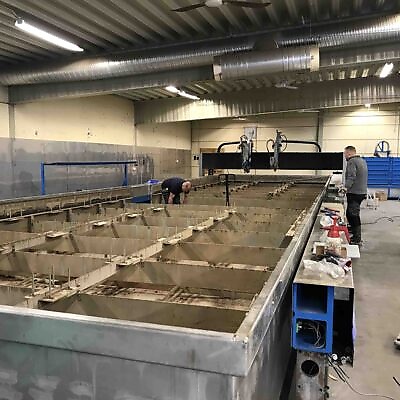
Business
Industrial fabricators
Combine heavy-duty cutting capacity with high precision to streamline your assembly workflows and eliminate time-consuming secondary finishing steps. Built tough for daily industrial operation.
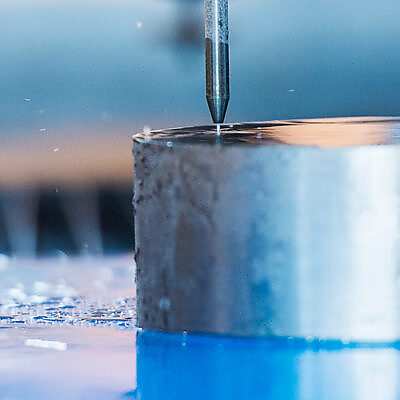
Business
Metal service centers
Process thick plates, stainless steel, and varied alloys with zero heat-affected zones, preserving prime material quality and edge integrity. Expand your processing services without compromising accuracy.
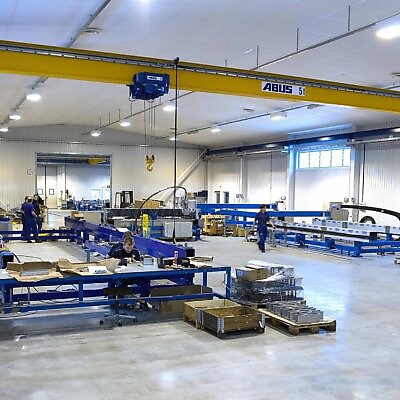
Business
Machine Shops & Job Shops
Increase cutting versatility, shorten setup times, and take on complex, high-margin jobs with complete confidence. Whether you process single prototypes or small batches, our systems adapt quickly to changing customer demands.