
Waterjet Pumps
If the cutting head is the precision tool, the high-pressure pump is the engine driving your entire production. It generates the extreme water pressure needed to slice through dense metals, stone, and composite materials with ease. At Water Jet Sweden, we help you select and integrate reliable waterjet pumps engineered for maximum operational uptime, low energy consumption per part, and long service life.

KMT STREAMLINE PRO
KMT Waterjet Ultra High Pressure Pump-Serie 6200 bar.
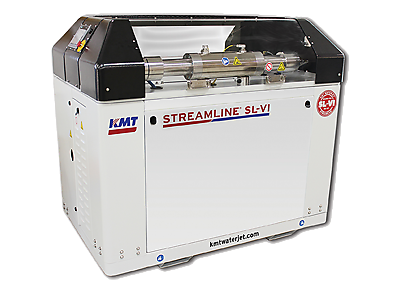
KMT STREAMLINE PLUS
KMT Waterjet Ultra High Pressure Pump-Serie 4100 bar.

KMT STREAMLINE STD und KMT NEO
KMT Waterjet Ultra High Pressure Pump-Serie 3800 bar

BFT HYPERTRON®
Eine 6.000-Bar-Pumpe – speziell für eine höhere Produktivität entwickelt.
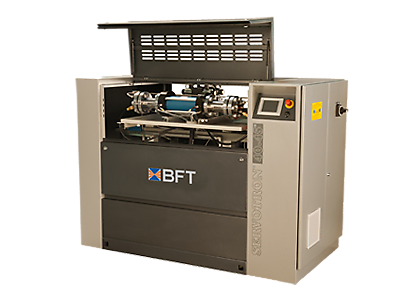
BFT SERVOTRON®
Der nächste Schritt in der Pumpentechnologieentwicklung: Energieeffizient, hoch effizient und professionell.
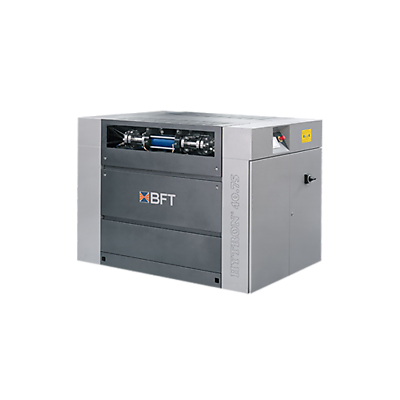
BFT HYTRON®
Die professionelle Pumpe mit hohem Durchfluss für Anwendungen mit mehreren Kopfhöhen. Auch Drucksignal für hohe Produktivität.

BFT ECOTRON
Bewiesene Technologie mit hohem Standard an Ausstattung und erstklassigem Preis-Leistungsverhältnis
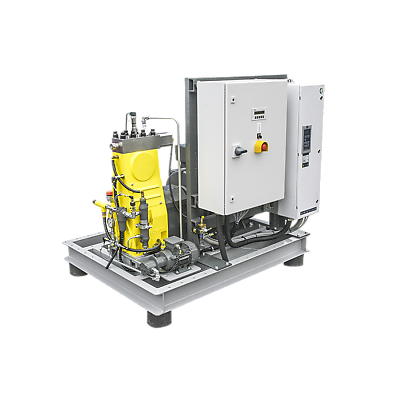
Hochdruckpumpen von Hammelmann
Powered for Performance, Efficiency, and Uptime
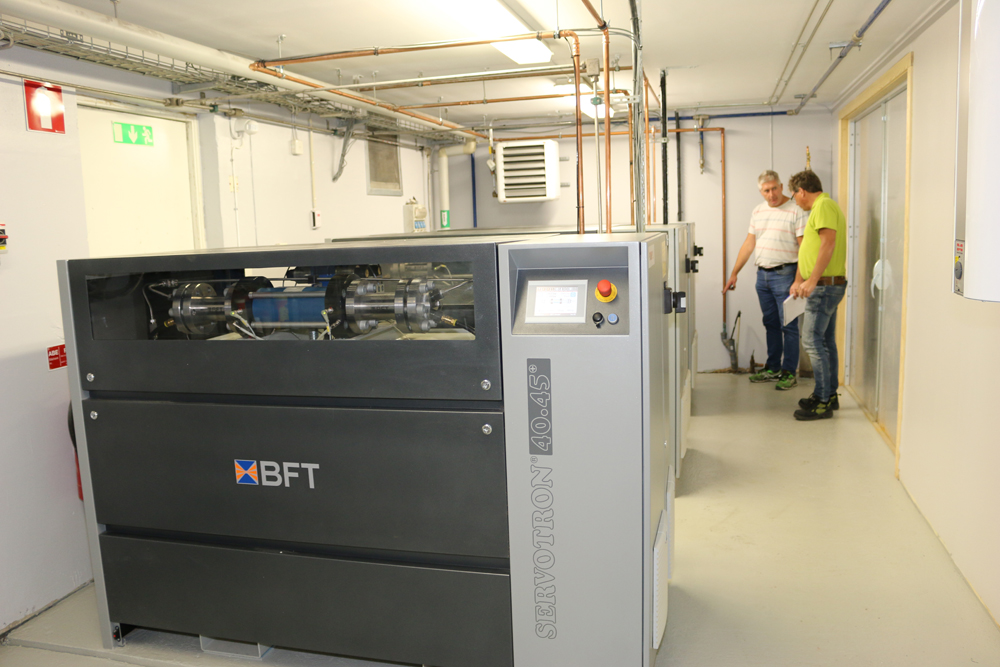
Every cutting operation relies on a steady, reliable supply of high-pressure water. Choosing the right waterjet pumps comes down to finding the perfect balance between pressure, water flow, and motor power for your specific manufacturing demands.
Whether you run a single 2D cutting head or a high-volume gantry with multiple cutting heads running simultaneously, our high-pressure pumps deliver continuous, stable pressure day in and day out. As your long-term technical partner, we ensure your pump setup fits both your current production goals and your future growth.
High-Pressure Pump Technologies
Understanding pump performance helps you optimize your cutting speed and lower your cost per part. We offer two primary pressure classes depending on your material and cycle time requirements:
1. 4,000 Bar Waterjet Pumps (Direct Drive & Intensifier)
- Proven Industrial Reliability: The standard workhorse for a wide range of job shops and industrial cutting setups.
- Cost-Effective Versatility: Delivers predictable, stable high-pressure water for everyday 2D abrasive cutting and pure water applications on thin-to-thick materials.
2. 6,000 Bar High-Pressure Systems
- Maximum Cutting Speed: Higher pressure accelerates the waterjet velocity, transferring significantly more kinetic energy to the abrasive media.
- Boosted Productivity: Increases cutting speeds dramatically on hard metals and thick plates, helping you cut parts faster and reduce cycle times.
Key Performance Factors: Pressure vs. Flow
When selecting a waterjet pump, understanding how pressure and flow work together helps you maximize machine productivity:
Waterjet Pressure (Bar / PSI)
- Primary Impact: Controls the velocity and energy density of the water stream.
- Core Benefit: Higher pressure accelerates abrasive particles, allowing you to cut through hard materials significantly faster.
- Best Used For: Reducing part cycle times, improving edge finish quality, and slicing through tough, thick materials.
Water Flow Rate (Liters per Minute)
- Primary Impact: Controls the total volume of high-pressure water available.
- Core Benefit: Higher flow rates provide the volume necessary to feed larger orifice sizes or run several cutting heads at once.
- Best Used For: Operating multi-head waterjet systems and maximizing part output per cutting cycle.
Need Guidance on Pump Selection?
Unsure whether a 4,000 bar or 6,000 bar pump is right for your workshop? Contact our technical team in Sweden to discuss your production needs, calculate cost-per-part savings, or plan an upgrade.